
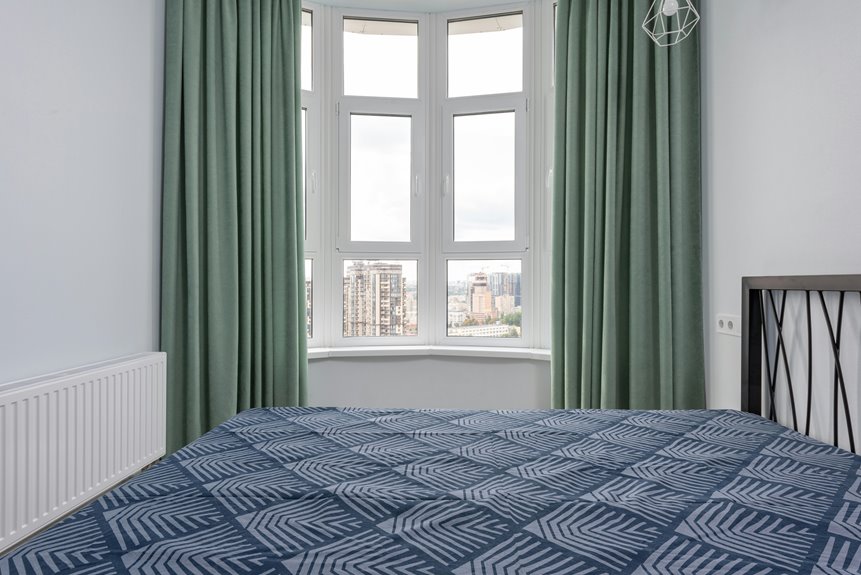
Yes, your bedroom legally needs a window in most places. Building codes require windows for natural light, fresh air, and emergency escape routes. Think of them as your safety net during fires or other emergencies.
The specific requirements vary by location, but they’re pretty consistent in spirit. You’ll typically need an openable window that covers at least 5.7 square feet (or 5.0 square feet if it’s at ground level). The glass area should equal about 8% of your floor space to bring in enough light. Skip the window, and you might lose your bedroom classification or run into resale problems down the line.
Some places do offer alternatives, though they’re limited. A few jurisdictions accept skylights or other creative solutions, but these rarely replace a standard window completely. Your best bet is to check your local building codes or talk to your city’s building department. They can tell you exactly what works in your area and whether any exceptions apply to your situation.
Do Bedrooms Legally Require Windows?
Why does your bedroom need a window? Building codes exist because lawmakers want people to be safe and healthy. In most places, bedrooms must have at least one window for natural light and fresh air. The California Building Code, for example, requires windows covering 8% of your floor space for light and 4% for ventilation openings.
Building codes require bedroom windows for natural light and fresh air because lawmakers prioritize safety and health.
If your bedroom doesn’t have a traditional window, you’ll need an approved egress door or emergency exit instead. Skylights might work, though they come with their own exit requirements. The key point is that bedrooms need some way for light and air to get in, plus a safe way for people to get out.
Windows also need to actually open. That’s how ventilation happens—air flows in and stale air flows out. Egress windows (the kind you’d climb out of in an emergency) must meet minimum size standards. A typical egress window needs to be at least 5.7 square feet with a minimum width of 20 inches and height of 24 inches, depending on your local code.
Think of windows less as optional features and more as basic building blocks. They keep your bedroom feeling fresh, let in daylight so you’re not living in a cave, and give you a way out if something goes wrong. That combination of fresh air, natural light, and safety is why building codes take windows seriously.
How Big Must a Bedroom Window Be?
Your bedroom window needs to meet California’s specific size rules, and they’re worth understanding. The glass part of your window has to cover at least 8% of your room’s floor area. The part that actually opens needs to be at least 4% of that floor space, with a minimum openable area of 5.7 square feet (or 5.0 square feet if your bedroom is on the ground level).
These measurements matter for more than just letting light stream in. They’re connected to egress safety—basically, your escape route if there’s an emergency. That’s why your window can’t be some tiny opening that’s painted shut and forgotten about. A window that meets these requirements gives you a real way out if you need one, which is something building codes take seriously for good reason.
Minimum Size Specifications
Just how large does a bedroom window actually need to be? California has specific requirements for egress windows—those are windows that do double duty by letting in natural light and giving you a safe way out during emergencies.
Your bedroom window needs to measure at least 5.7 square feet, though ground-level windows can be slightly smaller at 5.0 square feet. The glazing (that’s the glass part) should cover at least 8% of your floor area to bring in enough natural light. Here’s the practical side: the openable portion needs to reach 4% of your floor area so air can flow through properly.
These measurements might seem oddly specific, but they’re not random numbers someone picked out of thin air. They work together to give you fresh air circulation and a real escape route if you need one fast. Meeting these standards keeps your bedroom legally compliant and actually safer when it counts.
Egress and Safety Standards
When it comes to bedroom windows, there’s more at stake than just letting sunlight stream in—they’re actually your safety lifeline if something goes wrong. Your window serves as an exit route during emergencies, so size matters.
You’ll need a window opening of at least 5.7 square feet (or 5.0 if you’re on ground level) to escape safely. The glazed area should cover at least 8% of your bedroom’s floor space for natural light and visibility, while the openable portion must be at least 4% of your floor area for ventilation.
Your window must open directly outdoors—think yard, street, or alley. Opening into another room won’t work as an emergency exit. These specifications exist because you need a genuine way out when something goes wrong.
What Happens When a Bedroom Has No Window?
So what happens if your bedroom doesn’t have a window? You’ll need to find other ways to meet building codes. Most places won’t let you skip this requirement—you have to provide both a way to escape in emergencies and proper air circulation somehow.
| Requirement | Window Option | Alternative Solution |
|---|---|---|
| Egress | Standard window | Approved door or skylight |
| Ventilation | Natural airflow | Mechanical system |
| Minimum Area | 5.7 sq ft opening | N/A with alternatives |
| Light Percentage | 8% glazed requirement | Skylights or high windows |
Without a traditional window, you’ll typically need an approved escape route, like a door, plus ventilation that actually works. Skylights are another option, though they might require you to add that extra door. Different places have different rules—California is pretty strict about this stuff—so check what your local building code actually says before you start any work.
The good news is that mechanical ventilation systems are pretty common these days. Brands like Panasonic make bathroom fans that work well in bedrooms too, running around $100 to $300 depending on the model. These pull stale air out and help prevent moisture buildup. If natural light matters to you, skylights from companies like Velux (typically $300 to $800 installed) let in sunlight even without a side wall. Just remember that adding either of these comes with its own installation costs and code requirements, so budget for that when you’re planning.
Why Building Codes Require Bedroom Windows
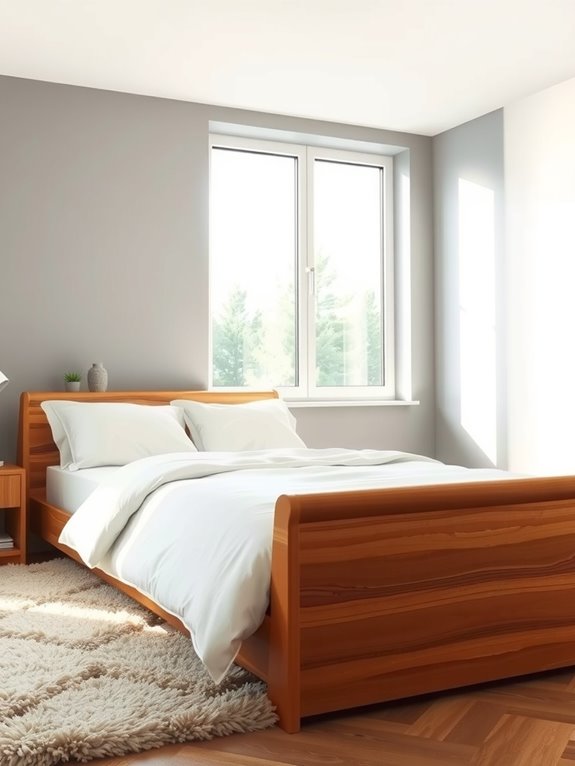
Why do building codes care so much about bedroom windows? They’re protecting you, honestly. Here’s the thing: you need natural light streaming in to start your day right, and that boost to your mood and health matters. But there’s more to it than feeling good.
Windows give you a real way out if there’s an emergency. You can’t rely on just one door, especially during fires. Building codes require windows you can actually open, which keeps your air fresh and stops dangerous carbon monoxide from piling up in your room—something heating systems can accidentally cause if a bedroom has zero ventilation.
A bedroom window isn’t a luxury item. It’s your safety net and your connection to the outside world. Building codes exist because they’ve learned from past mistakes. Your bedroom deserves that protection.
No Bedroom Window? Here’s What You Can Do
If you’re stuck with a windowless bedroom, you don’t need to knock down walls to make it work. Start by checking your local building codes—what’s allowed in one California city might get flagged in another. Sometimes the simplest solution is just labeling the room as a bonus space or office instead of a bedroom, which sidesteps regulations entirely.
For actual bedroom use, you’ll need a secondary door for emergency exits. That’s non-negotiable from a safety standpoint. Pair it with solid ventilation, like a bathroom exhaust fan or energy recovery ventilator (usually $300–$1,000). These pull out stale air and moisture so the room doesn’t feel stuffy or develop mold problems. Make sure your home’s main HVAC system reaches the space too rather than relying only on space heaters, which can be inefficient and pose fire risks.
The key is handling these pieces together. A windowless room feels manageable once you’ve got air moving through it and a proper heating system in place.
Door as Secondary Egress
A door by itself won’t do the job when it comes to getting fresh air into your space. You still need another way for air to move around—either an operable window somewhere else in the room or a mechanical ventilation system that keeps things circulating. Building codes vary depending on where you live, so check with your local requirements before you lock in your final plan. This matters because stagnant air gets uncomfortable fast, and codes exist to keep indoor air quality at a level where people can actually breathe well and stay healthy.
Ventilation and Heating Solutions
If you’re dealing with a bedroom that has no window or one that doesn’t meet local codes, you have real options. Mechanical ventilation systems like energy recovery ventilators (ERVs) pull stale air out while bringing fresh air in. The cost runs $1,500–$3,000 installed, and while that’s not pocket change, they work reliably day after day. Another approach involves transverse egress—moving air and people through an approved door to a hallway instead. Depending on where you live, this can satisfy both your ventilation and safety requirements. Skylights work in some areas too.
When it comes to heating, portable space heaters won’t meet building standards. You’ll need a permanent heat source connected to your home’s main system. That’s just how codes work, and inspectors will check for it.
Before you make any moves, talk to your local building official or a code professional. They know the specific rules for your area and can tell you which solutions will actually pass inspection. It’s worth the conversation before spending money on equipment that might not work for your situation.
When Different Rules Apply: Basements and Special Cases
Why do basements get special treatment when it comes to bedroom requirements? Basement bedrooms operate under stricter rules because they’re below ground level, which creates safety concerns you won’t find upstairs. The main issue is that people need a quick way to get out in an emergency.
Basement bedrooms require stricter safety rules because below-ground spaces demand quick emergency exits that upper-level rooms don’t need.
You’ll need to install a basement egress window that meets specific legal requirements. Your window must have a minimum opening width of 20 inches and height of 24 inches, with a sill height no higher than 44 inches from the floor. The total area should fall between 5.0 and 5.7 square feet. You’re also required to provide two means of egress—typically a door plus that compliant window.
Standard windows won’t cut it here. A typical double-hung window from your local hardware store won’t meet these measurements, so you’ll likely need an egress window kit designed specifically for basement bedrooms. These kits usually run between $300 and $800 depending on the size and quality, and they include the window frame, the well, and hardware.
Without a proper basement egress window, your space simply won’t qualify as a legal bedroom under code. That’s why upgrading matters for both safety and resale value.
Check Your Bedroom’s Window Compliance Before Buying or Selling
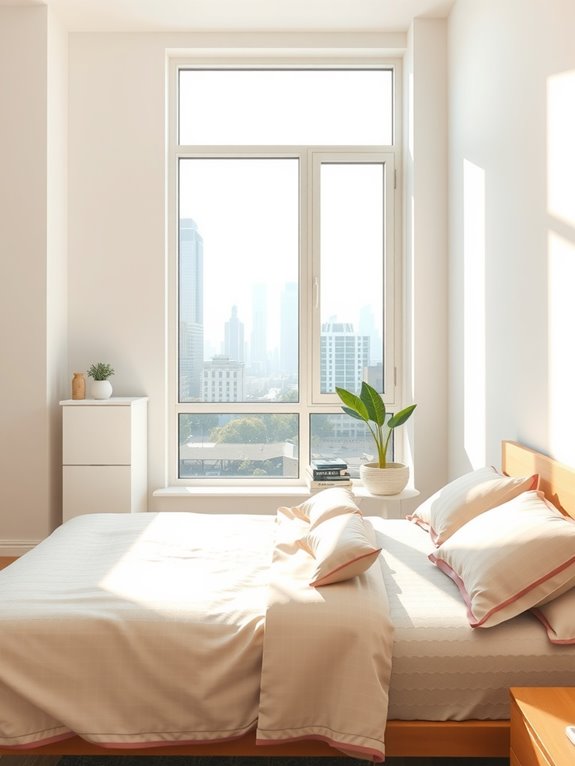
Before you sign on the dotted line—whether you’re buying a home or listing your own—it’s worth checking whether your bedroom windows actually meet legal requirements. Different places have different rules, so you’ll want to look up what applies where you live.
| Requirement | What You Need |
|---|---|
| Natural Light | At least 8% of floor area |
| Ventilation | Openable area of 4% of floor area |
| Egress Window | Minimum 5.7 sq ft opening |
| Ground Level | Window opening of 5.0 sq ft |
| Sill Height (Basements) | No higher than 44 inches |
Here’s what these numbers mean in practical terms. Your bedroom needs enough window space to let in natural light and fresh air. If you have a basement bedroom, you’ll need an egress window—that’s a window big enough for someone to climb out in case of emergency. The opening needs to be at least 5.7 square feet, and the sill (the bottom edge) can’t be higher than 44 inches off the floor. Ground-level windows have slightly different rules with a 5.0 square foot minimum opening.
To check compliance, measure your windows and calculate your floor area. It’s straightforward math, but getting it right matters. A professional home inspector can verify everything for you and typically costs between $300 and $500 for a full inspection. That investment protects you from discovering problems after you’ve already committed to buying or selling. Getting the details right keeps everyone safe and protects your money.