
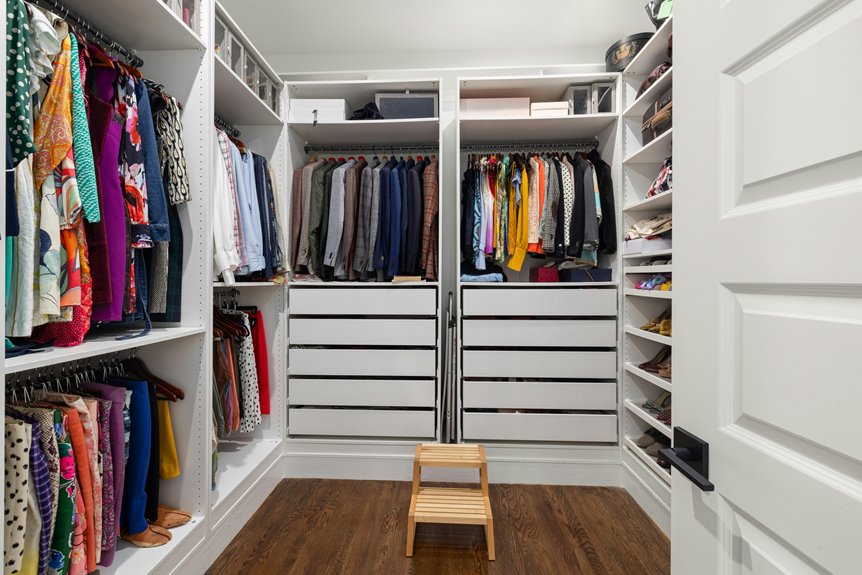
No, Massachusetts building code doesn’t require a bedroom closet. However, you do need to meet several other requirements. The room needs proper egress, which means a safe way to exit in case of emergency. You’ll also need about 70 square feet of space minimum, windows for natural light and ventilation, and a standard door.
The tricky part is that Massachusetts allows local communities to set their own standards. Your town might have additional rules that go beyond the state code. Before you skip adding a closet, check with your local building department to see what applies where you live.
Even if the code doesn’t require one, most buyers expect a bedroom to have closet space. A missing closet can affect how quickly your property sells and what price you might get. It’s worth considering what potential buyers would think, especially if you ever plan to sell.
What Massachusetts Building Code Actually Says About Bedrooms
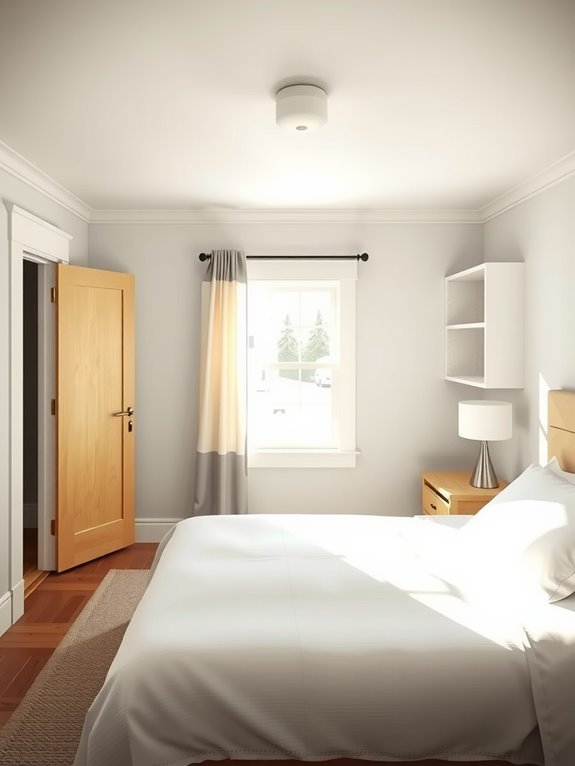
You might think a closet is required to call a room a bedroom in Massachusetts, but the state building code doesn’t actually make it a mandatory feature. Local towns, though, have their own rules. What passes as a bedroom in one Massachusetts town might not qualify in another, so the real answer depends on where you live.
The code focuses on the things that really matter for bedrooms: safe ways to exit the room (called egress), minimum room size, and how many people can occupy the space. Title 5 septic regulations also factor into how many bedrooms a house can legally have. Since rules vary from town to town, your local zoning office and town bylaws hold the actual answer about what makes a room officially a bedroom.
Before you count a room as a bedroom, check with your local zoning office. They can tell you whether built-in storage, window sizes, or other features affect whether that room legally counts as a bedroom. Taking this step keeps you aligned with the rules that actually apply where you live.
Which Massachusetts Towns Require Bedroom Closets
So does your town actually require a closet for a bedroom. The answer depends on where you live in Massachusetts, since each town sets its own rules. You’ll want to check locally before you make any changes to your home or list a property for sale.
Some Massachusetts towns enforce bedroom closet requirements through local bylaws and building codes. Title 5 interpretations often connect closet standards to how bedrooms get classified for septic systems and property assessments. Real estate standards also vary by jurisdiction, which affects how professionals label bedrooms on listings.
Towns like Sharon, MA illustrate how guidance differs across the state. Since local interpretations vary significantly, don’t assume one town’s rules apply elsewhere. Your town building department can clarify the specific closet storage expectations and bedroom labeling rules for your region. Contact them directly before converting spaces or listing properties, and they’ll confirm your area’s building code standards.
Code Compliance vs. Market Expectations: What’s the Difference
What the law requires and what buyers actually want aren’t always the same thing. Building code in Massachusetts focuses on measurable standards—your bedroom needs proper square footage, minimum dimensions, a working way out (called egress), and decent air flow. A closet. Not required by code.
Building code demands square footage and egress. The market demands a closet. They’re not the same thing.
But here’s where things get interesting. Most buyers walk into a bedroom and expect a closet. It’s become so normal that people barely think about it. This expectation shapes how you’ll sell your home and whether buyers feel interested or disappointed. You’re competing against other properties where closets are standard, which means they become a psychological must-have even if the law doesn’t demand one.
Imagine a room that checks every single building code box. The dimensions are spot-on. The door and windows work as emergency exits. The ventilation system runs properly. Everything passes inspection without a hitch. Then a potential buyer steps inside and immediately asks, “Where’s the closet?” Suddenly, despite meeting all legal requirements, the room feels incomplete to them. That gap between what code demands and what the market expects creates real friction when you’re trying to sell a Massachusetts property. The room works perfectly on paper. The buyer’s feelings about it are another story entirely.
Meet Code Without a Closet
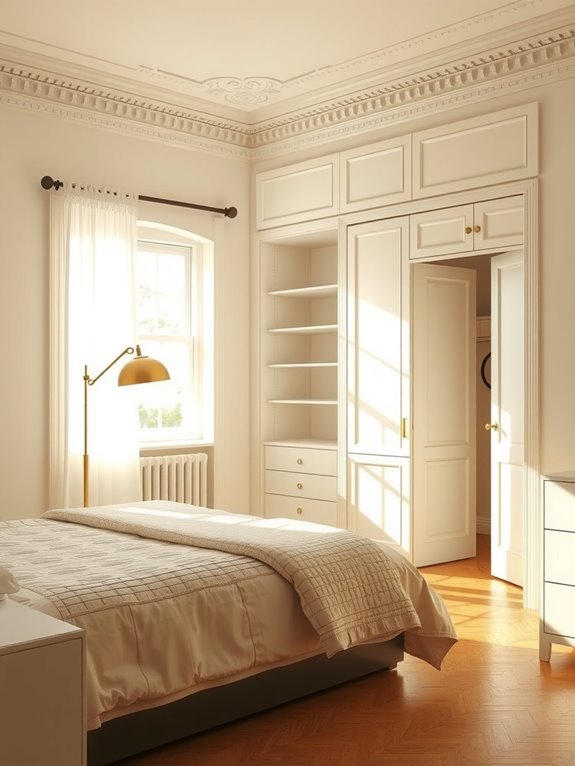
Can You Have a Bedroom Without a Closet in Massachusetts?
Yes, absolutely. Massachusetts state building code doesn’t require closets for a room to legally count as a bedroom. What matters instead are a few practical requirements that actually make the space livable and safe.
What You Actually Need
A bedroom needs three main things. First, you need proper egress—that’s a fancy way of saying a safe way out. Install a window or door that meets safety standards for emergencies. Second, the room needs to be big enough, typically around 70 square feet minimum (think roughly 8 by 9 feet). Third, add windows for natural light and fresh air to flow through.
Standard bedroom doors with regular hardware round out the basics. These requirements exist because people need to breathe comfortably and escape quickly if something goes wrong. A closet? That’s just convenient storage, not a legal necessity.
Check Your Town’s Rules
Local bylaws vary across Massachusetts, so before you finalize any plans, check with your specific town or city. What works in one place might have different rules elsewhere. A quick call to your building department takes five minutes and saves headaches later.
Storage Without a Closet
Built-in shelving and wall-mounted organizers work well for keeping belongings organized. IKEA’s BILLY bookcases ($60-$100) mount securely to walls and hold plenty. Under-bed storage containers (typically $20-$50) tuck away seasonal items. Over-the-door organizers ($15-$40) hang on the back of closet-less bedroom doors and hold shoes or accessories. These solutions are practical and take up less space than traditional closets anyway.
Market a Closet-Free Bedroom to Buyers
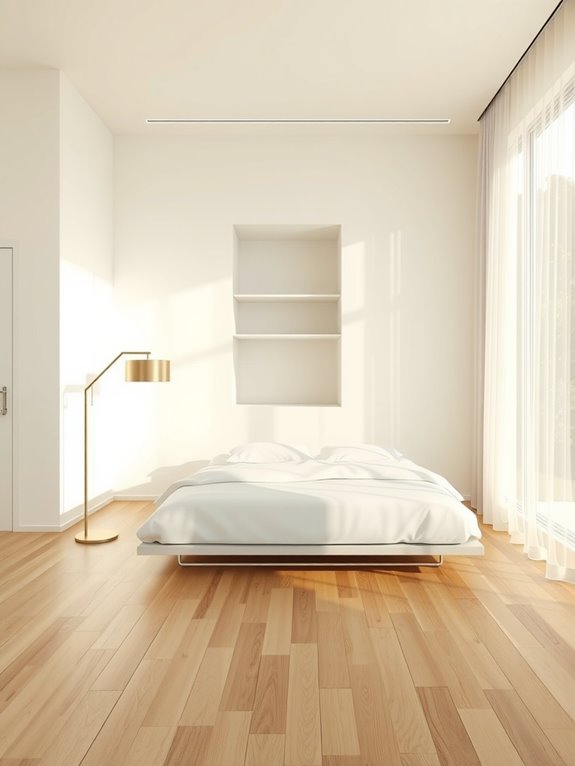
Your bedroom meets the basics: at least 70 square feet, a proper door, safe exit through an egress window, and enough light and air flow. These elements satisfy building codes, which matters when it comes time to sell.
Being upfront about the lack of closet space actually works in your favor. Buyers respect honesty, and it gives you a chance to show you’ve thought through the storage problem. Before listing, check your local bylaws and how your town interprets Title 5 bedroom requirements—closet rules vary by location, and knowing yours helps you market accurately.
Instead of hiding the missing closet, highlight what you’ve done about it. A sleek wardrobe (like the IKEA PAX system, around $200-600 depending on size) fits neatly against a wall. Built-in dressers or floating shelves from brands like ELFA (around $100-300 per unit) use vertical space efficiently. Under-bed storage boxes run $30-80 and handle off-season clothes without taking up floor room. Wall-mounted shelving from companies like Floating Shelf Co. costs $50-150 per shelf and gives you display space plus storage.
Emphasize the egress window and square footage in your listing photos and description. Mention that the bedroom is fully functional and safe. Buyers looking at closet-free bedrooms aren’t expecting a traditional layout—they’re looking for a room that works for how they actually live. Being straightforward about what you’re offering means you’ll attract people who want the space for the right reasons.