
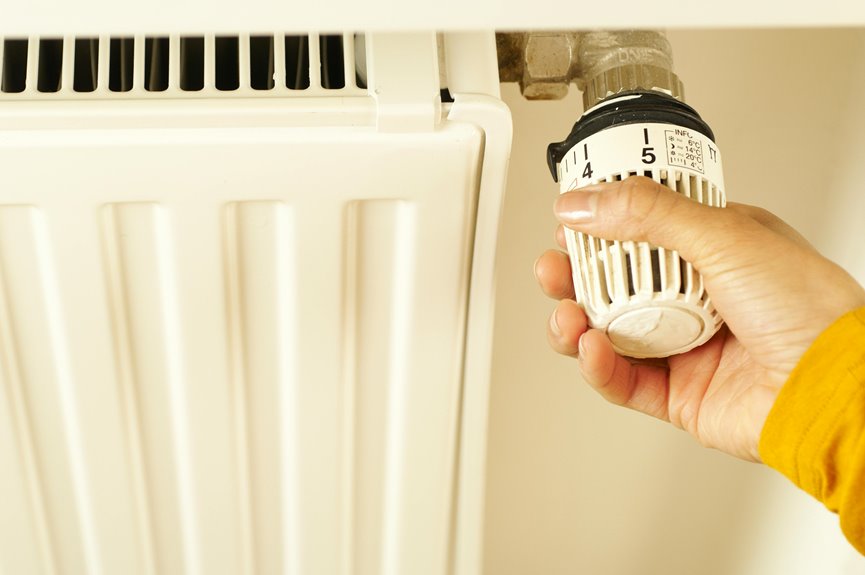
Your heated floor bill really comes down to three main things. First, there’s where you live. Electricity costs way more in the Northeast—about $0.16–$0.20 per kWh—compared to the South, where you’re looking at $0.08–$0.12 per kWh. That difference adds up fast. A 200-square-foot heated floor in the Northeast might run you $40–$50 each month, while the same setup down South costs just $20–$30.
Your system choice matters too. You can go with electric radiant floors or hydronic systems (which use hot water). Each one responds differently to fuel and energy costs, so picking the right one for your area helps your wallet stay happy.
Then there are the sneaky site conditions that quietly drain money over time. Insulation quality, moisture levels, and how well your floor is sealed all affect how hard your system has to work. A floor with poor insulation will cost way more to run than one that’s properly sealed up. It’s one of those things people forget about until the bills show up.
Understanding each factor helps you spot where your money’s actually going. That way, you won’t get blindsided by costs you didn’t expect.
Regional Electricity Rates and Your Energy Source
Ever wonder why your neighbor’s heated floors cost way more to run than yours, even though you’ve got the same system installed. The answer often comes down to where you live.
Regional electricity rates play a huge role in your monthly bills. If you’re in the Northeast, you’re paying $0.16–$0.20 per kWh, while Southern folks enjoy rates around $0.08–$0.12. That difference adds up fast with electric radiant floors. A 200-square-foot heated floor running eight hours a day could cost you $40–$50 monthly in the Northeast but only $20–$30 in the South.
Here’s where it gets interesting though. If you’ve chosen hydronic systems instead—the kind that use hot water from a boiler—your operating costs depend more on boiler fuel prices and how efficiently your system runs than on regional electricity rates. A natural gas boiler might cost less to operate in some regions, while propane could be cheaper elsewhere. Your energy source combined with where you live really does determine whether you’re getting a good deal or paying more for those toasty toes.
System Size and Cable Spacing: The Choices You Control
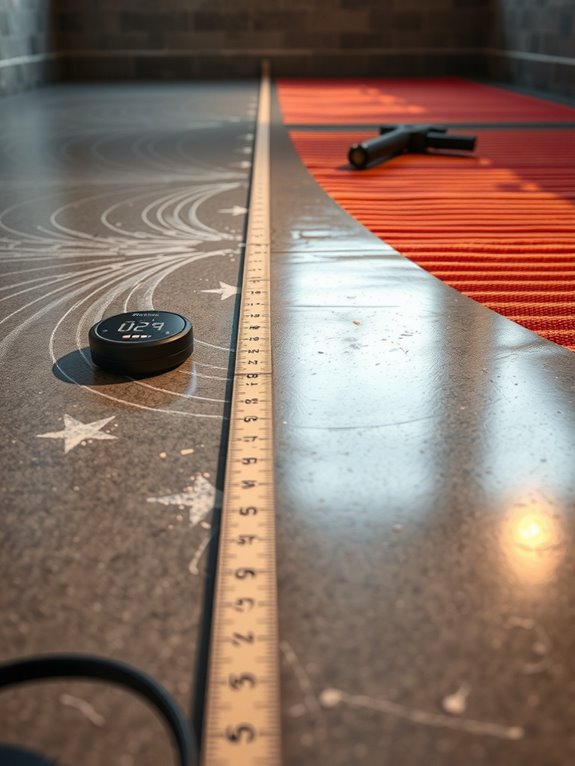
When you’re planning a radiant floor system, you’ll make choices that affect both how comfortable your home feels and what you pay each month. Your system size matters because a small bathroom needs way less coverage than a master bath, and that difference shows up in your heating bills.
Cable spacing is where things get interesting. Space the cables closer together and you get more heat output per square foot, though your installation costs go up too. Here’s what the numbers look like: three-inch spacing delivers 15 watts per square foot for quick heating response, four-inch spacing gives you 11 watts per square foot as a middle ground, and five-inch spacing provides 9 watts per square foot if energy efficiency is your main goal.
Your room’s insulation and thermostat settings determine how much heat output you actually need. A well-insulated room loses less heat, which means your system works less hard and your energy costs stay lower. Better insulation paired with the right cable spacing can save you money over time without sacrificing comfort.
Hidden Cost Factors: Site Conditions That Drive Up Your Bill
What happens beneath your floors matters just as much as the heating cables themselves. Your site conditions—insulation quality, subfloor preparation, and floor covering choices—quietly determine your long-term energy costs.
Poor insulation lets heat escape upward and outward, forcing your system to work overtime. If you’ve ever felt cold spots near exterior walls even with heat running, that’s insulation doing (or not doing) its job. Adding a layer of rigid foam board insulation under your heating system can cost $200–$400 for a typical room but cuts energy waste significantly. Thick carpets and heavy underlays block heat transfer from reaching your feet, which means your system runs longer to compensate. A thin, low-pile carpet or wool rug lets more warmth through than plush options, though you’re trading some comfort for efficiency.
Moisture in your subfloor degrades performance over time. Concrete slabs and wooden joists both absorb moisture, which interferes with how heat travels and forces the system to work harder. Getting moisture barriers installed during prep—usually $150–$300 for smaller spaces—prevents these problems before they start.
Subfloor prep also includes filling cracks and removing debris. This upfront work adds complexity but skipping it invites costly repairs down the road. A contractor might spend an extra day or two on proper preparation, which adds $300–$600 to installation costs, but prevents issues that could cost several times that amount to fix later.
These site conditions compound both your initial investment and your monthly bills. Understanding what’s happening under your floors helps you make choices that protect your wallet over time.