
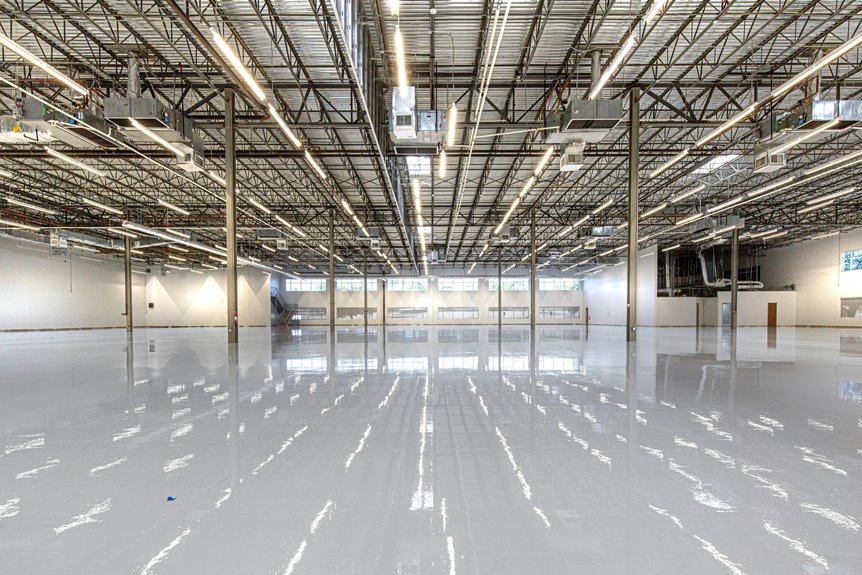
Epoxy flooring prices break down into three main brackets based on how hard your floor needs to work. Budget options run $0.60–$1.20 per square foot. These single-coat systems work well for storage areas and spaces where people don’t walk much. You’re getting basic protection without the extra layers.
Standard multi-coat epoxy costs $1.40–$2.00 per square foot and handles typical garage use better. The extra coats mean the floor lasts longer and resists scuffs from regular traffic and light vehicle movement. This is where most homeowners find the right balance between cost and durability.
Premium industrial-grade epoxy sits at $2.00–$2.80+ per square foot. This version stands up to heavy chemicals, constant foot traffic, and equipment rolling across it. You’d pick this for a workspace where the floor takes real punishment day after day.
Your budget really comes down to your space’s actual needs. A light-use storage area doesn’t need premium protection and would waste money getting it. A working garage or shop floor that sees daily activity benefits from spending a bit more upfront because you won’t need repairs or replacements as soon.
Budget Tier: Single-Coat Epoxy ($0.60–$1.20 per Sq Ft) – Light-Traffic Projects
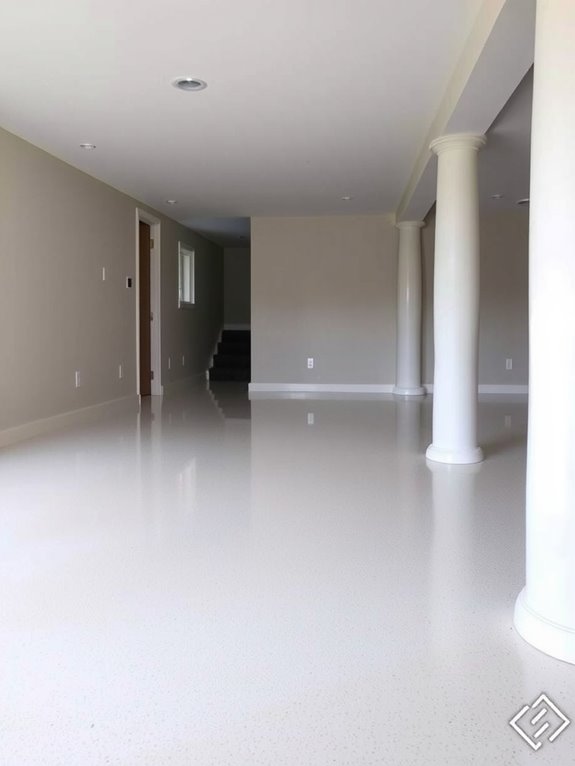
Want to give your garage or basement floor a quick upgrade on a tight budget. Single-coat epoxy flooring offers an affordable starting point at $0.60–$1.20 per square foot for spaces that don’t get heavy foot traffic. You’re getting a basic solid-color resin coating that covers your floor without decorative chips or metallic finishes mixed in.
For a typical single-car garage running 240–360 square feet, expect to pay around $144–$432 installed. That price includes minimal surface prep work—basically cleaning and a standard primer coat. The trade-off is that these basic epoxy coatings won’t last quite as long as pricier multi-coat systems, so you’ll need to maintain them more often.
If you decide to install it yourself, you can cut labor costs significantly. The DIY route works well for homeowners who want functional garage flooring without the bigger investment that comes with professional-grade coatings.
Standard Tier: Multi-Coat Systems ($1.40–$2.00 per Sq Ft) – Most Residential Garages
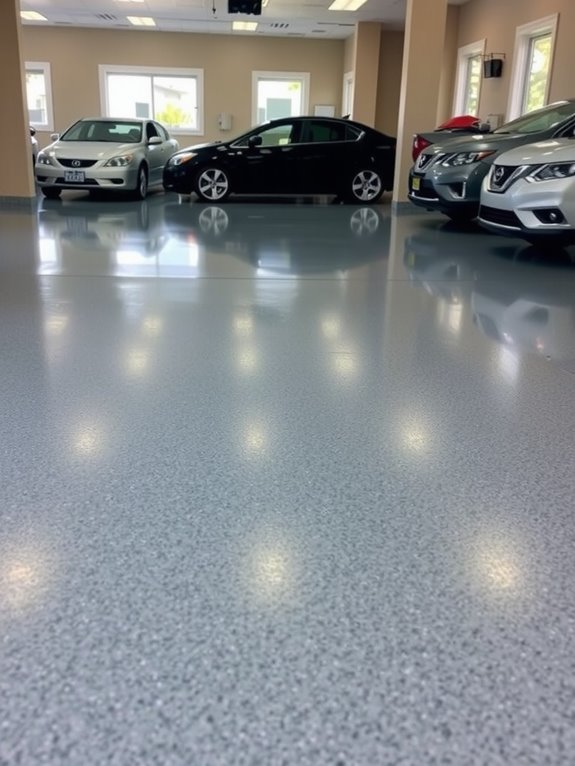
If you’re moving beyond the cheapest single-coat option, multi-coat epoxy systems hit that middle ground where you actually get decent durability without spending a fortune. You’ll pay $1.40 to $2.00 per square foot for professional installation, which includes basic surface prep. For a typical 2-car garage (400–576 sq ft), that comes to somewhere between $560 and $1,152 total.
What you’re getting here is a multi-layer coating that handles chemicals and daily wear much better than budget alternatives. Most homeowners pick this tier because it balances what you spend upfront with how well it performs over time. A professional crew applies it properly, so your floor stays in decent shape for years without needing constant touch-ups or special maintenance routines.
Premium Tier: Industrial-Grade Epoxy ($2.00–$2.80+ per Sq Ft) – Commercial & Chemical Resistance
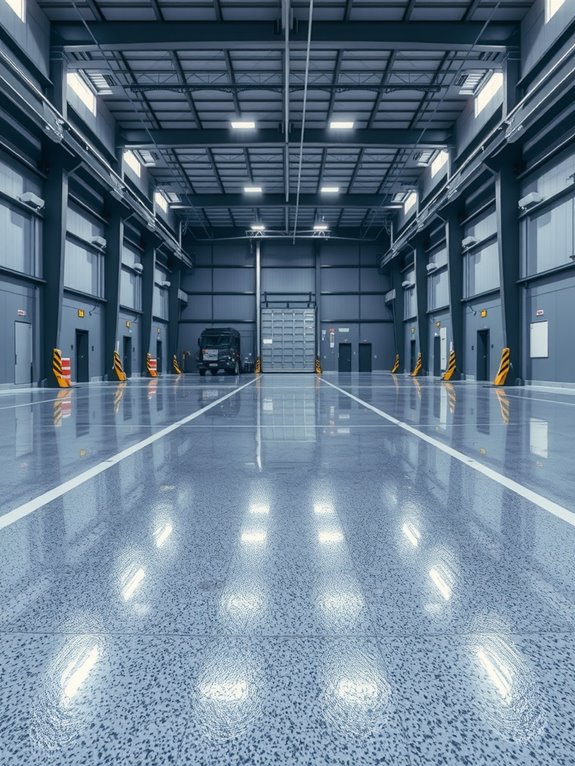
How much difference does stepping up to premium epoxy really make? You’ll notice it right away when you choose industrial-grade epoxy for your commercial flooring.
Premium epoxy costs between $2.00 and $2.80+ per square foot. For that price, you’re getting flooring built to handle warehouses, factories, and commercial kitchens where regular coatings would fail.
Here’s what sets industrial-grade apart:
- Multi-layer systems with high-performance primers and topcoats that stand up to harsh chemicals, heavy equipment, and constant foot traffic
- Advanced formulations using 100% solids or solvent-based options that resist wear better than basic epoxy
- Proper surface prep including diamond grinding, crack repairs, and moisture testing, which honestly makes the biggest difference in how long your floor lasts
- Professional installation that requires actual skill to get right, which is why labor costs are higher
The difference between budget epoxy and industrial-grade shows up over time. Budget options might look fine for the first year, but they chip, peel, and stain when exposed to real commercial use. Premium epoxy holds up because it’s formulated for that kind of punishment.
Your cost reflects actual durability, not just looks. When you choose premium options, you’re choosing flooring that performs under pressure instead of flooring that looks good until something spills on it.