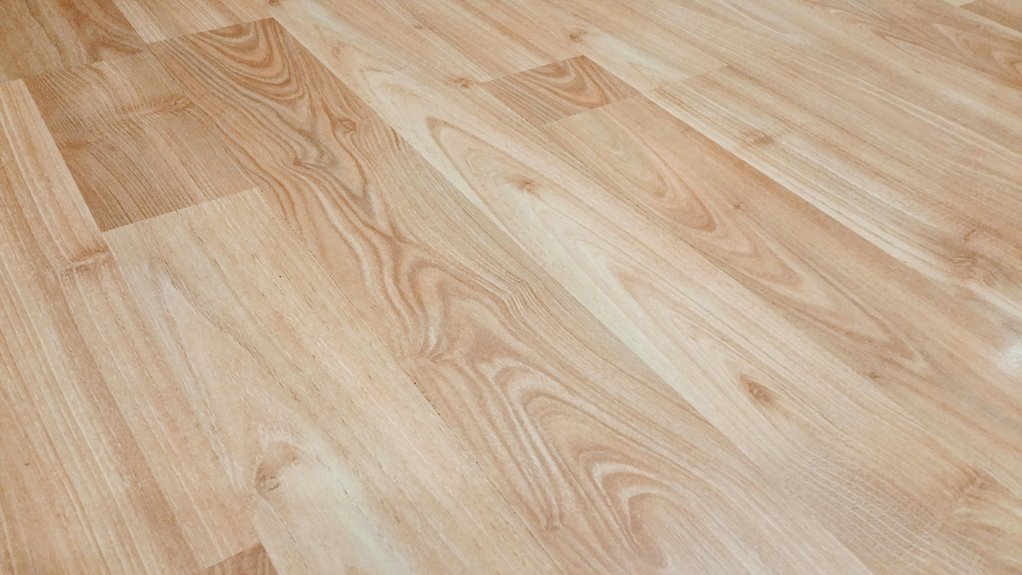
LVP stands for Luxury Vinyl Plank—basically fake wood that looks and feels pretty close to the real thing. The material has four layers working together: a tough wear layer on top that handles scratches and scuffs, a decorative layer that mimics wood or stone patterns, a core layer for stability, and a backing that keeps moisture out.
You’ll pay around $2–$5 per square foot installed, which is a fraction of what hardwood costs. That price difference matters when you’re covering a whole room or your entire house.
When you’re picking out LVP, you’ve got two main core options. SPC (Stone Plastic Composite) cores are durable and won’t drain your wallet. WPC (Wood Plastic Composite) cores feel cushioned underfoot and cost more, but they’re also softer on your joints if you spend a lot of time standing in one spot, like in a kitchen.
Before you commit to a specific type, think about where you’re installing it. A bathroom or basement gets way more moisture than a bedroom, so that matters for which core you choose. High-traffic areas like hallways and living rooms need something tougher, while a spare bedroom can handle something lighter.
What Does LVP Stand For and Why It Matters?
Ever wondered what those “LVP” letters mean when you’re looking at flooring options? LVP stands for Luxury Vinyl Plank, and it’s a popular choice among homeowners who want floors that look good and hold up well.
Here’s what makes LVP worth considering: it combines multiple layers that work together. The top layer (called the wear layer) is usually 12–20 mil thick and protects against scratches and stains. Below that sits a decorative print layer that can look like wood, stone, or tile. The core layer provides stability, and waterproof backing sits underneath to keep moisture out. This waterproof quality is especially useful in kitchens and bathrooms where spills happen regularly.
Installation is straightforward too. Most LVP uses either a click-lock system (planks snap together) or a glue-down method, so you don’t need specialized tools or professional help for simpler jobs. Understanding how LVP is built helps you pick flooring that matches what your household needs and what you can spend.
Why LVP Wins Over Hardwood, Tile, and Stone
Now that you know what makes LVP tick, you’re probably wondering how it stacks up against the classic flooring heavyweights.
Luxury vinyl plank outperforms traditional options in ways that matter to your wallet and your lifestyle.
Affordability – LVP costs considerably less than hardwood or stone, stretching your budget further without sacrificing style. Where hardwood might run $8-15 per square foot installed, quality LVP typically lands in the $2-5 range.
Water resistance – Unlike hardwood, your luxury vinyl plank handles spills, moisture, and humidity effortlessly thanks to its protective wear layer and core layer construction. This matters if you have kids, pets, or just live somewhere humid.
Installation simplicity – Click-lock systems make DIY projects realistic, saving you thousands in labor costs that tile or stone installations demand. Most homeowners can handle installation in a weekend without special tools.
The scratch-resistant wear layer also means your floors stay looking decent through years of daily living. You’re not signing up for constant maintenance or worrying every time someone drags a chair across the room.
How LVP’s Four-Layer Construction Delivers Durability
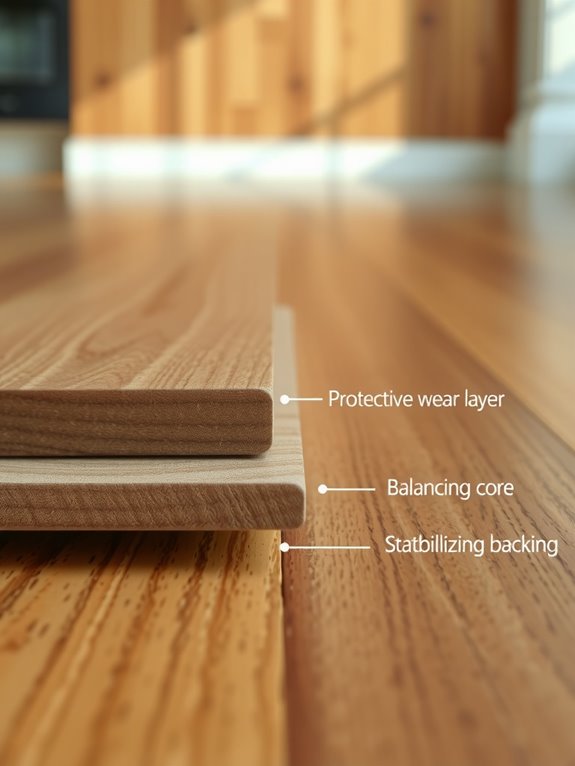
LVP flooring has four layers, and each one does important work. The top layer, called the Wear Layer, is about 12–20 mils thick. Think of it as your floor’s bodyguard—it blocks scratches and stains from daily life. Underneath sits the Decorative Layer, which uses detailed printing to copy real wood grain patterns so closely that most people can’t tell the difference at first glance.
The Core Layer is where things get serious. Made from PVC or SPC material, this middle section handles the real durability work. It keeps your floor stable when you walk on it and stops water from soaking through. That matters a lot if you have kids, pets, or just tend to spill things while cooking.
At the bottom, the Backing Layer finishes the job. It adds extra moisture protection, helps absorb sound so your floor doesn’t echo when you walk across it, and gives you that comfortable, slightly cushioned feeling underfoot. All four layers working together mean your LVP can handle whatever your house demands, from muddy footprints to pet accidents to constant foot traffic.
Core Materials: How SPC vs. WPC Affects Feel and Price
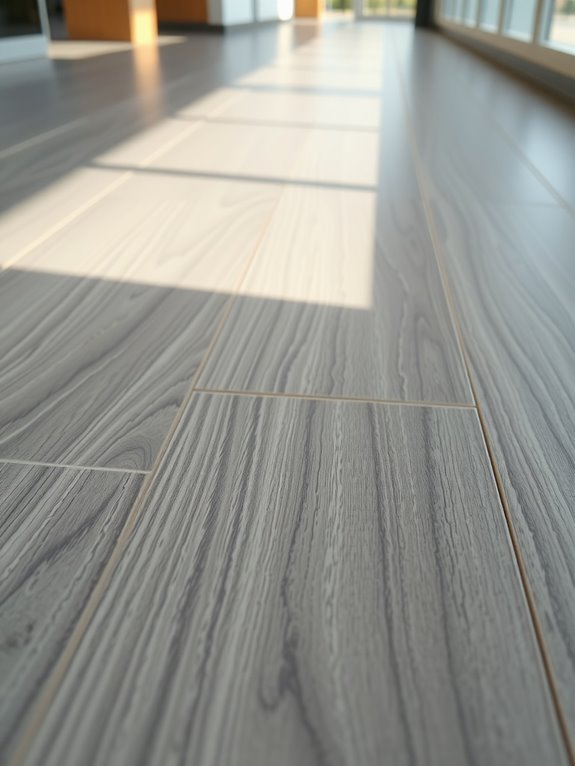
When you’re choosing between SPC and WPC cores, you’re basically deciding between durability and comfort—because your feet will feel the difference every single day. SPC’s limestone-based core gives you solid, commercial-grade performance that handles heavy foot traffic and spills without complaint, though it won’t feel as soft underfoot as the other option. WPC’s cork or foam-like center feels more cushioned and absorbs sound better, but you’ll pay more for that comfort and get less of the tough-as-nails durability that SPC delivers.
Think of it this way: SPC is like wearing sturdy work boots, while WPC is like wearing comfortable slippers. SPC costs less upfront and lasts longer in busy areas like kitchens and entryways. WPC makes your living room or bedroom feel warmer and quieter, which matters when you’re walking around barefoot in the morning. The trade-off is real, but it’s not complicated. You need to decide what matters more to your household—saving money and getting maximum durability, or paying extra for that cushioned feeling beneath your feet.
SPC: Durability And Performance
SPC flooring stands for Solid Polymer Core, and it works differently than standard vinyl because it uses a rigid, limestone-based composite instead of softer materials. Think of it as the kind of flooring you’d see in busy office buildings or restaurant kitchens—built tough for heavy use.
What makes SPC core solid for durability:
- Impact and dent resistance — dropped pans and heavy furniture won’t leave marks
- Dimensional stability — your floors stay flat even when temperatures shift and humidity changes
- Firm underfoot feel — you get that solid, secure sensation with every step
The rigid core handles real pressure without breaking down. One thing to know: SPC won’t bend to forgive an uneven subfloor the way softer flooring options do, so you’ll want a smooth foundation underneath.
WPC: Comfort And Luxury Feel
While SPC flooring holds up great in busy areas, WPC offers something different if you want your feet to feel happy when you walk across the floor. WPC stands for Water Proof Core, and it uses a wood-plastic composite that keeps water from soaking through from top to bottom.
The real difference is comfort. SPC has a stone core that feels hard and cool underfoot, but WPC’s core materials give you a softer, warmer surface. Walking barefoot on it actually feels pleasant, which matters a lot if comfort is important to you.
Products like Floorté’s Supino HD show what WPC can do—you get that realistic wood appearance along with genuine cushioning. The tradeoff is price. WPC costs more than SPC, and the floating-floor installation adds to that cost. But if you’re outfitting spaces where people spend a lot of time standing or walking around, that extra comfort might be worth the investment to you.
Embossing, Beveling, and High-Definition Details That Add Realism
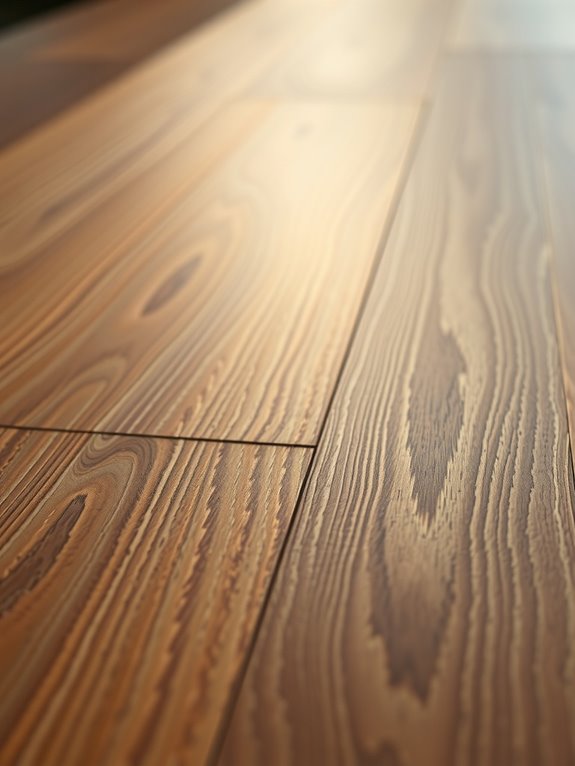
When you’re shopping for LVP, you’ll notice that the best options don’t just look like real wood—they actually feel like it too. This happens because of embossing in register, or EIR, which creates a textured surface that matches the printed design. So if there’s a knot in the pattern, you’ll actually feel that knot when you walk across it.
Beveling adds another layer of realism by putting subtle angles along the edges of each plank. These small details mimic the way authentic hardwood looks and feels, giving the floor a more genuine appearance rather than the flat, plastic look of cheaper vinyl options.
High-definition printing handles the finishing touches. It picks up tiny details like sapwood streaks and mineral deposits that you’d see in real wood. These small variations are what make a floor look naturally worn rather than brand new and artificial.
When these three features work together—texture, beveled edges, and detailed printing—your LVP actually holds up to close inspection. Your friends probably won’t immediately spot it as vinyl, and that’s the whole point. The floor looks and feels convincing without costing as much as genuine hardwood.
Embossed In Register Texture
Ever run your hand across a piece of wood and felt the grain patterns, knots, and natural imperfections? That’s what Embossed In Register, or EIR, texture does on vinyl flooring. The surface texture actually lines up with the printed design, so when you see a knot or grain line, your fingers feel it too.
Your toes notice the difference right away when you walk barefoot across EIR vinyl. The embossing creates real depth and dimension instead of a flat, slick surface. Realistic grain patterns and mineral streaks meet your fingertips exactly where they appear in the design. It’s the difference between floors that just look like wood and floors that genuinely feel like wood.
The texture and design work together as a matched pair, which is what makes EIR worth considering. You’re getting visual appeal plus that satisfying tactile experience—not one or the other, but both working in sync.
Natural Beveling And Definition
How do you make vinyl flooring look less like plastic and more like real hardwood. Natural beveling and high-definition details do most of the heavy lifting here.
Natural beveling, or NB, creates shadow lines between planks that mimic what you’d see in authentic hardwood. These beveled edges add depth and dimension that completely flat surfaces just can’t match. When you pair that with HD, or high-definition enhancement, you’re getting sharper details of sapwood, mineral streaks, and knotholes. Then add embossing, called EIR, and you’ve got textures that actually feel like wood grain when you run your hand across them.
The combination of NB plus HD plus EIR embossing gives your vinyl plank flooring a three-dimensional appearance that looks gallery-quality. The result is flooring that captures real hardwood’s character and warmth. You get all that without the maintenance headaches—no refinishing, no worrying about water damage, and way easier cleaning than actual wood floors.
Choosing LVP by Room, Traffic Level, and Budget
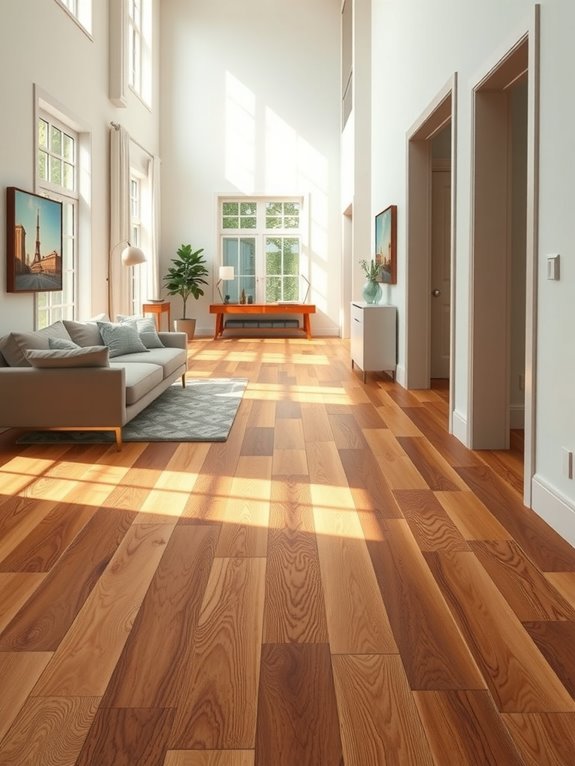
Picking the right LVP means thinking about where you’re actually going to install it, because not every plank works equally well everywhere in your home.
Room moisture levels matter most in kitchens, bathrooms, and laundry rooms, where water splashes and humidity are constant. You’ll want waterproof or highly water-resistant options in these spaces to prevent the planks from swelling or warping. Standard LVP might work in a guest bedroom, but it won’t hold up well next to a shower or under a leaky sink.
Traffic patterns determine how thick your wear layer needs to be. High-traffic hallways and living rooms take more punishment than a quiet bedroom, so aim for 12–20 mil wear layers and sturdy cores like WPC or SPC that handle scratches and dents better. A thinner 6–8 mil wear layer is fine for low-traffic spaces and saves money.
Budget shapes your other choices too. Cheaper options have thinner wear layers and basic designs, while mid-range products around $2–$5 per square foot offer decent durability with more realistic wood patterns. Premium LVP at $6–$10 per square foot includes detailed grain textures and extended warranties, though you’re paying for features you might not need everywhere in your home.
Don’t forget installation costs, which run $2–$10 per square foot depending on your existing floor and room layout. Longer planks also work better in bigger rooms since they create fewer visible seams and look more like real hardwood.