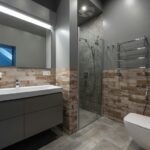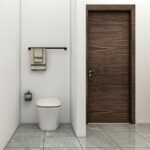
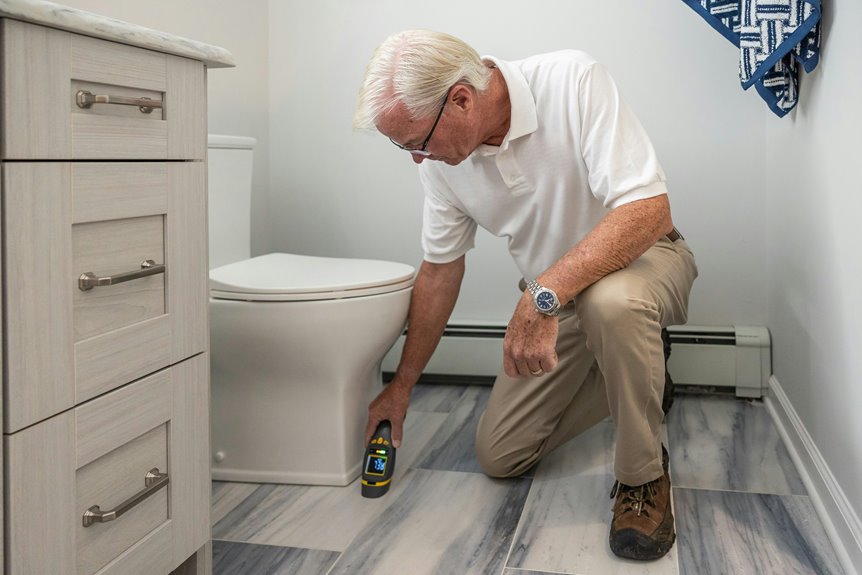
A 3/4 bathroom has three of the four standard fixtures—toilet, sink, and either a shower or bathtub. Most commonly, you’ll find the bathtub missing, which makes the space more compact. These bathrooms typically run 32-40 square feet, so they work well for apartments, guest rooms, or any spot where square footage matters. Since you’re leaving out one fixture, construction and installation costs run lower than a full bathroom would.
You can identify one by doing a quick count. Walk in and look for the toilet and sink. Then check whether there’s a shower stall or a bathtub. If you see three of those four elements, that’s your 3/4 bathroom. The missing piece is usually the tub, though occasionally people skip the shower instead.
The layout works because you get all the basic functions without the extra space a bathtub needs. A standard bathtub takes up significant room—usually around 5 feet long and 2.5 feet wide. A shower stall, by comparison, might be just 3 feet by 3 feet. That difference adds up when you’re dealing with tight quarters.
Installation costs for a 3/4 bathroom typically fall between $8,000 and $15,000, depending on your region and whether you’re remodeling or building new. A full bathroom in the same area might run $12,000 to $20,000 or higher. Those numbers shift based on materials, plumbing requirements, and labor rates in your area.
What Is a 3/4 Bathroom? The Four Essential Fixtures
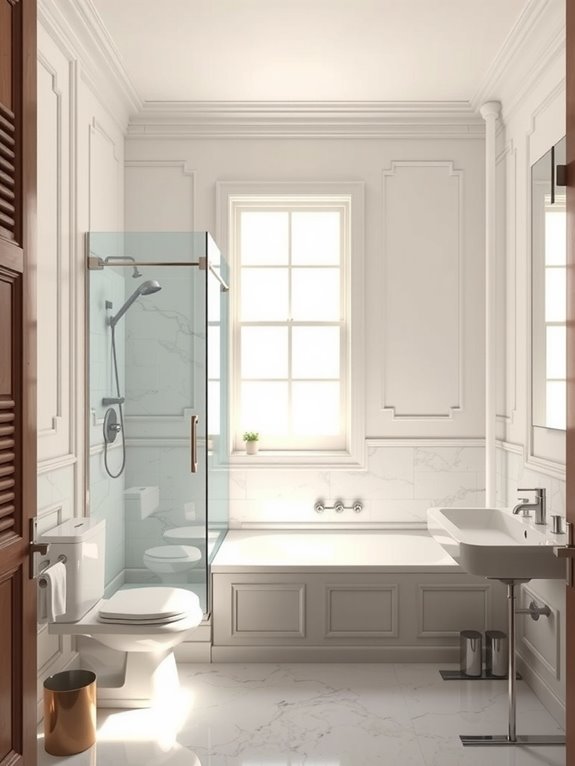
Ever wondered why some bathrooms feel complete while others seem like they’re missing something? That’s where the 3/4 bathroom comes in. You’re looking at a space that includes three of four standard fixtures: a toilet, sink, and either a shower or bathtub—but not both. Most commonly, you’ll find a toilet, sink, and shower instead of a bathtub.
This smart design maximizes space efficiency, making it perfect for apartments or smaller homes where every square foot counts. You get all the essentials for washing up and basic bathroom needs without sacrificing precious room. The flexibility of 3/4 bathroom layouts means you can arrange your fixtures in different ways. You might set them up in a line along one wall, position your shower in a corner with the sink and toilet nearby, or use a galley style with opposing walls. The result is functional without feeling cramped, which beats having to choose between comfort and space.
How to Identify a 3/4 Bathroom in Any Home
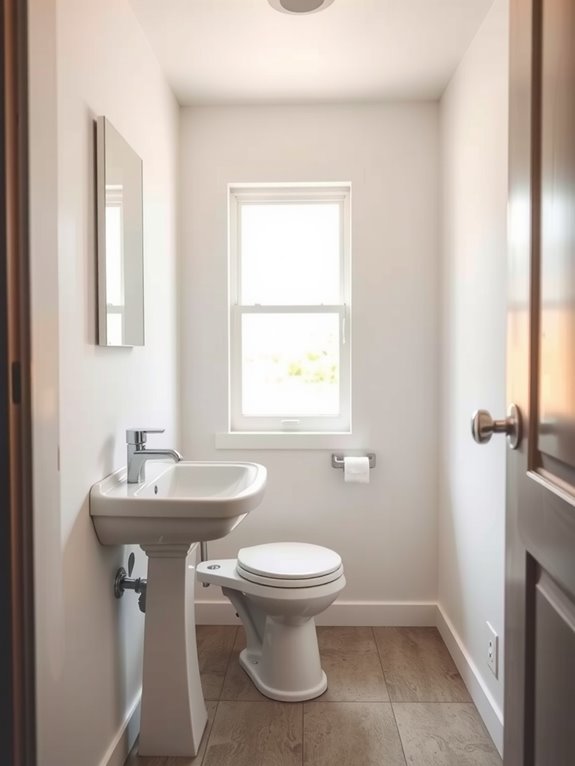
Spotting a 3/4 bathroom isn’t difficult once you know what to look for. You’ll find three of the four standard fixtures: a toilet, sink, and either a shower or bathtub—never both. When you’re checking out a three-quarter bath, figure out which fixture is missing. If there’s no bathtub, you’ve likely found your 3/4 bathroom.
The layout tells you a lot too. You’ll typically see the toilet positioned near a window or shower, with the sink closer to the doorway. This arrangement works well because it doesn’t waste space, which matters a lot in apartments and smaller homes where every square foot counts.
Most 3/4 baths measure between 32–40 square feet, though they can stretch to 40–45 when you swap out fixtures. These tight spaces give you a pretty clear picture of what you’re dealing with, and honestly, that compact size is part of what makes them practical for many homeowners.
3/4 Bath vs. Full Bath vs. Half Bath: Key Differences
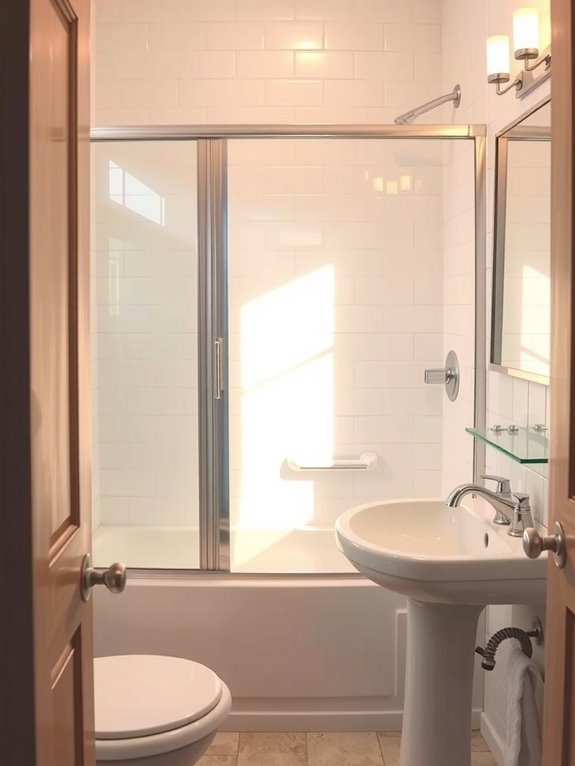
Now that you know what makes a 3/4 bathroom tick, it’s helpful to understand how it stacks up against other bathroom types in your home. A 3/4 bathroom contains three fixtures—toilet, sink, and shower—without a bathtub. A full bath adds that fourth fixture: a bathtub, which works well if you’ve got kids who need baths. A half bath? That’s just a toilet and sink, perfect for guest spaces.
The bathtub absence in a 3/4 bathroom keeps things compact and efficient. You’ll often find a shower-only setup in a corner layout, or sometimes a shower-tub combination if space allows. This choice determines how much room you actually have to work with. Full baths demand more square footage, while 3/4 bathrooms fit snugly into smaller footprints. If you’re working with limited space in your home, a 3/4 bathroom gives you the essentials without eating up too much floor area.
Space, Layout, and Size Requirements for 3/4 Bathrooms
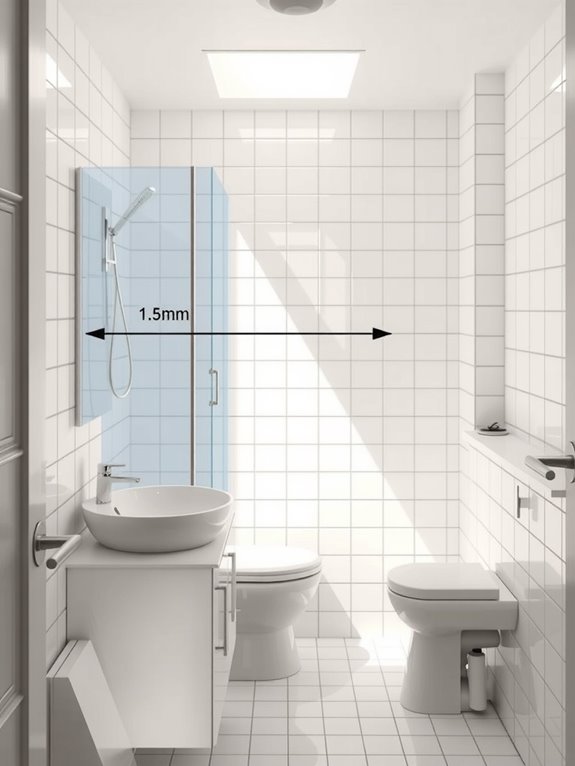
When you’re designing or renovating a 3/4 bathroom, space matters more than you’d think—even though these bathrooms are compact by nature. You’ll typically work with 32–40 square feet, which expands slightly to 40–45 square feet if you’re swapping a shower for a tub.
Your layout options—linear, corner shower, or galley configurations—help you maximize every inch. The minimum shower space you’ll need is roughly 30 by 30 inches. Beyond fixtures like your toilet, sink, and shower, you’ll want about 24 inches of activity space and 30 inches of circulation clearance around everything. Smart placement, like positioning your toilet near a window, opens up your bathroom psychologically. These space requirements make your 3/4 bath perfect for guest rooms or basements where you don’t need a full tub.
Should You Choose a 3/4 Bath? Space, Budget, and Use Cases
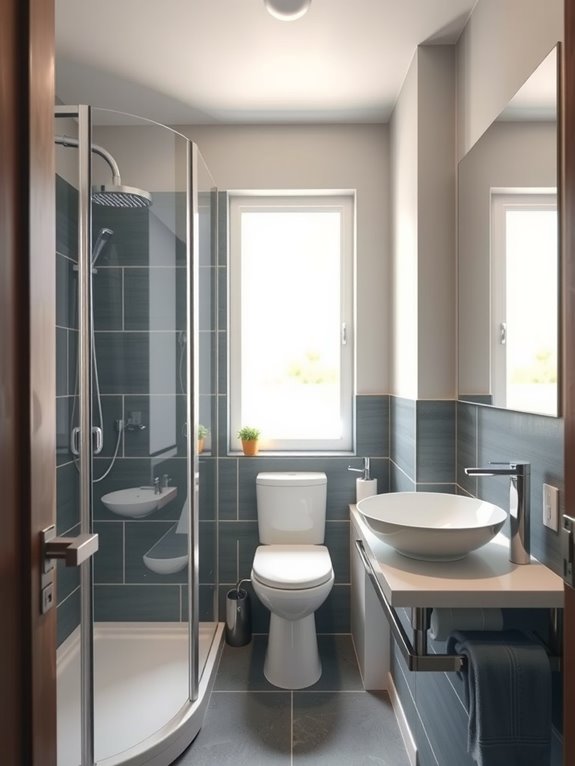
Is a 3/4 bathroom the right choice for your home. Consider this practical option when you’re working with limited space or a tight budget. A 3/4 bath includes a toilet, sink, and shower but skips the bathtub. This setup costs less to build than a full bathroom while still handling your daily routines.
This arrangement works well as a guest bathroom or secondary bath in smaller homes, especially if your household prefers showers over baths. Families with young kids who need regular tub time might want to think twice though. You’re getting budget-friendly convenience but trading away some flexibility.
The real question comes down to your actual lifestyle. Do you actually use that bathtub, or does it mostly sit empty. If showers fit how you live and you’re tight on square footage, a 3/4 bath makes solid sense. If bath time matters to your family, a full bathroom with tub access might be worth the extra investment. The choice depends on what your household genuinely needs, not what bathrooms traditionally “should” have.
Resale Value and Building Code Compliance for 3/4 Bathrooms
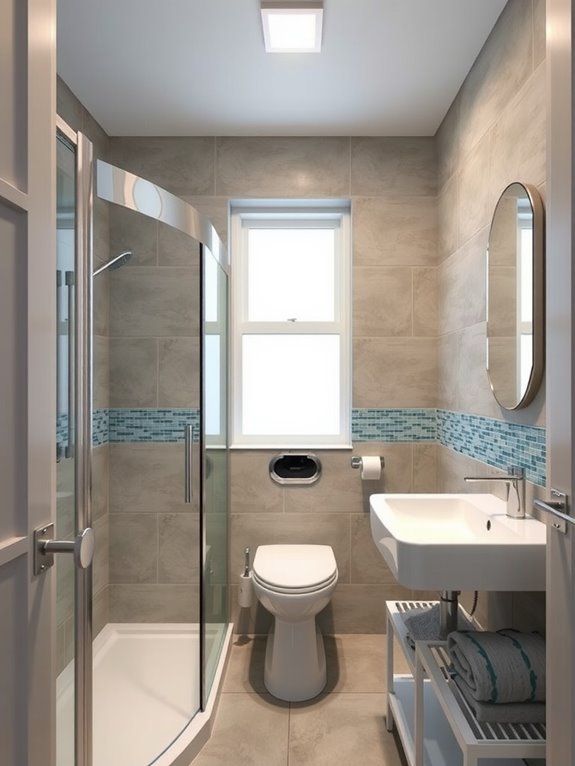
Before you invest in adding a 3/4 bathroom to your home, think about what it means for your property’s value when you eventually sell. A three-quarter bathroom won’t boost your resale value quite like a full bath would, but it’s still a solid choice for many homeowners. You’re looking at a decent return on your money, especially in basements or secondary suites where space is limited.
Appraisers count your fixtures carefully when they evaluate your home. Three fixtures—toilet, sink, and shower space—affect your valuation differently than four fixtures do. Before you start any renovation work, check your local building codes. You’ll need at least 30 x 30 inches for shower space and proper clearance around each fixture. Meeting these standards protects both your investment and gives future buyers confidence in what they’re purchasing.