Start by figuring out what you’ll actually use—a guest room, home office, gym, or reading nook—so you don’t waste money on stuff you don’t need. Once you know the purpose, you can make smarter choices about what to buy and where to put it.
Next, invest in quality essentials that match your chosen purpose. If guests will sleep there, a good mattress like a Tuft & Needle ($400-600) makes a real difference in comfort. For a work space, a solid desk such as the IKEA Bekant ($150-250) gives you reliable surface area without the premium price tag.
Add smart storage with clear bins and multi-functional furniture like ottomans with hidden compartments. A storage ottoman from Target runs about $80-150 and lets you stash blankets, books, or office supplies while giving you extra seating. Clear plastic bins from the Container Store ($15-30 per bin) work well because you can see what’s inside without opening everything up.
Layer your lighting to create flexibility. Dimmable overhead lights paired with task lamps—like a simple desk lamp ($25-50) or reading light ($20-40)—let you adjust brightness depending on what you’re doing. Keep things organized and avoid cramming oversized pieces into tight spaces, which makes the room feel cramped and harder to use.
The specific furniture pieces you choose and budget-friendly hacks will depend on your room’s size and your needs, but starting with these basics gives you a solid foundation.
Define Your Primary Purpose Before You Start
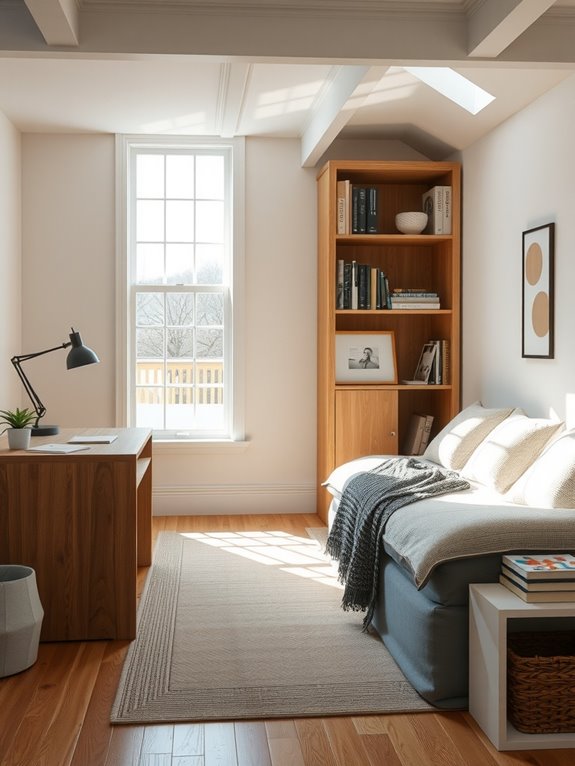
Why do so many spare bedrooms end up as storage closets? Usually it’s because stuff piles up without any real plan behind it. Before you buy furniture or organize anything, figure out what this room actually needs to be. Will it be a guest room for visitors? A home office for work? A workout space? A creative studio? Your answer matters because it shapes everything—the layout, lighting, storage, and which pieces you’ll actually need.
Think about who will use the room and how often they’ll be there. If guests visit once a month, a quality bed becomes your priority. If you’re working there every day, a solid desk makes way more sense than hand-me-downs from your main bedroom. This kind of thinking prevents you from buying things you don’t need and helps you create a space that actually gets used.
Design a Guest Bedroom That Welcomes Visitors
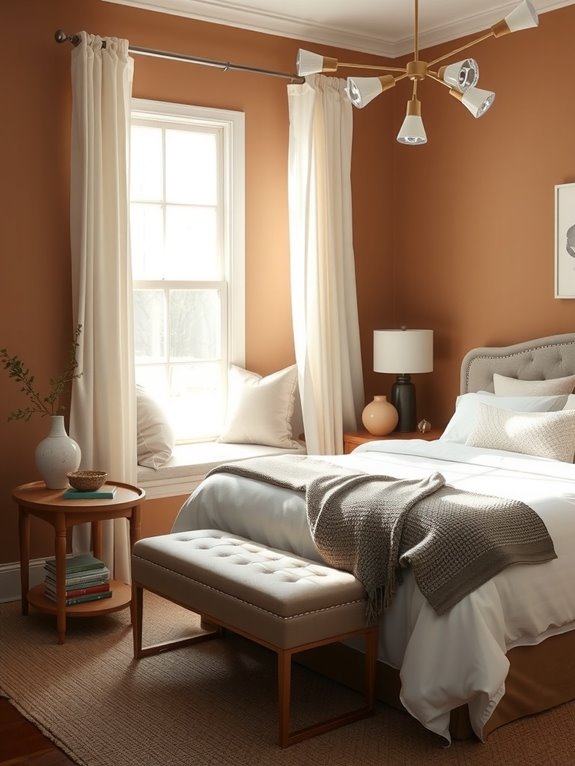
If your spare bedroom’s main job is hosting guests, you’ll want to build the space around comfort and hospitality. Think about what makes visitors feel truly welcome and cared for.
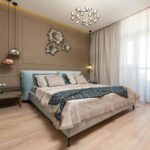
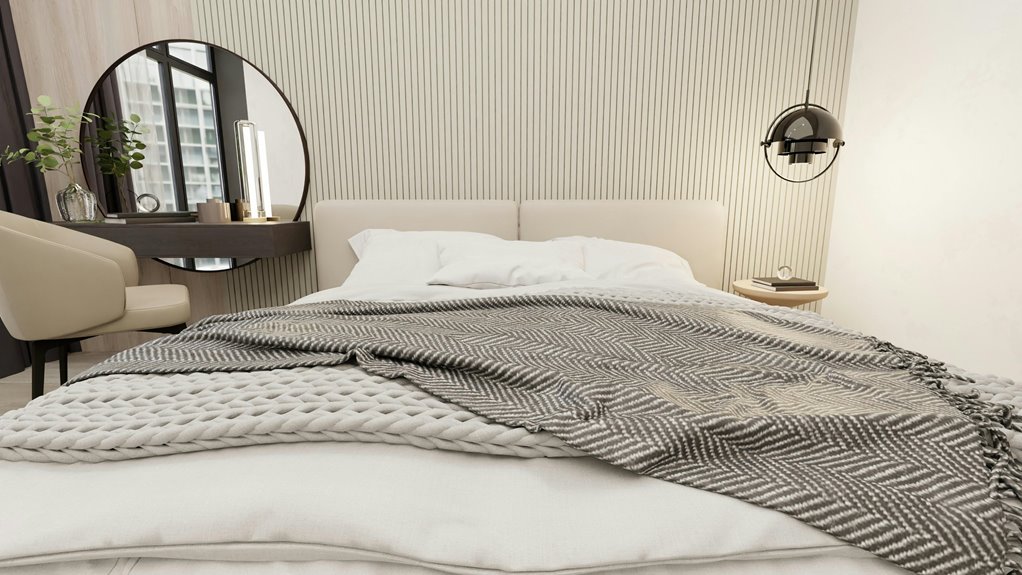
Start with the bed itself. A quality mattress matters more than you’d think—your guests will notice the difference between a sagging old one and something supportive. Pair it with soft, high-thread-count sheets (around 400-600 count is a sweet spot that feels luxurious without being overly expensive). Sheets from brands like Brooklinen or L.L.Bean run between $80 and $150 per set, and they actually hold up through repeated washing.
Lighting is another area where people often cut corners in guest rooms. Include both bedside lamps and a bright overhead option so your guests can read in bed or navigate the room at night without fumbling for switches. A pair of simple bedside lamps from Target or Amazon (usually $20-40 each) works perfectly fine.
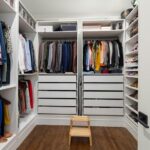
Your guests need somewhere to put their stuff. A small dresser or closet space lets them unpack without feeling cramped. If closet space is tight, even a clothing rack or a few sturdy hooks on the wall helps. Add a full-length mirror, which guests will use whether they mention it or not.
Practical comfort touches show real thoughtfulness. A luggage rack keeps suitcases off the floor. Extra blankets folded on a chair give guests options if they run cold at night—you never know what someone’s temperature preferences are. Charging stations near the bed (a basic power strip with USB ports costs around $15-25) solve the phone and laptop problem without requiring guests to hunt for outlets.
A small reading nook or comfortable chair, even in a corner, gives guests a place to decompress during downtime. These details won’t make your guests feel pampered, but they will make them feel thought about, which is what actually matters.
Build a Home Office That Maximizes Productivity
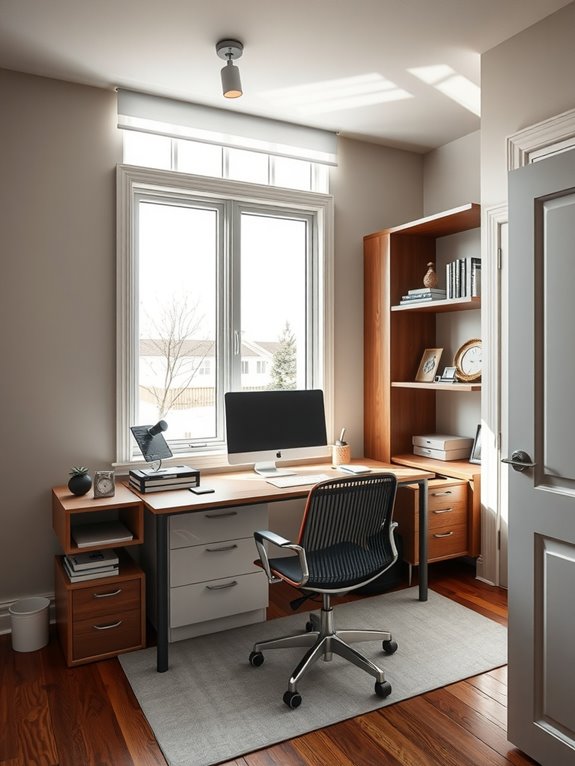
Building a home office that actually works takes some real planning. Your spare bedroom can become a productive workspace when you set it up the right way. The key is choosing furniture and tools that help you focus, not fight against your setup.
Start with a desk that fits your room. A compact desk like the IKEA Bekant (around $100-150) or the Tribesigns Computer Desk ($80-120) gives you workspace without eating up the floor. Pair it with a desk lamp that points at your work surface. The TaoTronics LED Desk Lamp (about $25-40) has an adjustable arm and doesn’t create glare on your screen.
Keep your stuff off the floor and out of sight. Wall-mounted shelves like the IKEA Lack shelves (roughly $10-20 each) hold books and supplies without cluttering your workspace. A filing cabinet tucked against one wall stores papers and keeps your desk clear. When your brain doesn’t see piles of stuff around you, it’s easier to concentrate.
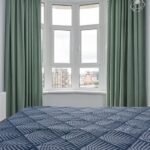
Sound matters more than you’d think. Noise from traffic, neighbors, or family definitely breaks your focus during calls or deep work. Thick area rugs dampen sound from footsteps and echoes. Heavy curtains from Target or Walmart ($20-50 per panel) absorb noise while blocking light. If you want stronger sound control, acoustic foam panels like the Arrowzoom panels ($30-60 for a pack) stick to walls and actually do reduce background noise.
Your cables and chargers shouldn’t be a tangled mess. A power strip with USB ports ($15-25) placed near your desk handles multiple devices. Cable clips and sleeves ($10-15) bundle wires together so you only see what you need. This setup takes ten minutes to install and makes your desk look way less chaotic.
Sitting in a bad chair for hours hurts your back and neck. An ergonomic office chair like the Furmax Home Office Chair ($120-180) or the Autonomous Premium Ergonomic Chair ($250-350) adjusts so your feet sit flat on the floor and your arms rest at desk height. Your monitor should be at eye level when you sit straight. If your screen is too low, you’ll lean forward and strain your neck. A monitor stand ($20-40) raises it to the right height.
These practical changes reduce the physical strain that builds up through your workday. You’ll notice the difference pretty quickly once everything feels right.
Create a Personal Gym in Your Spare Room
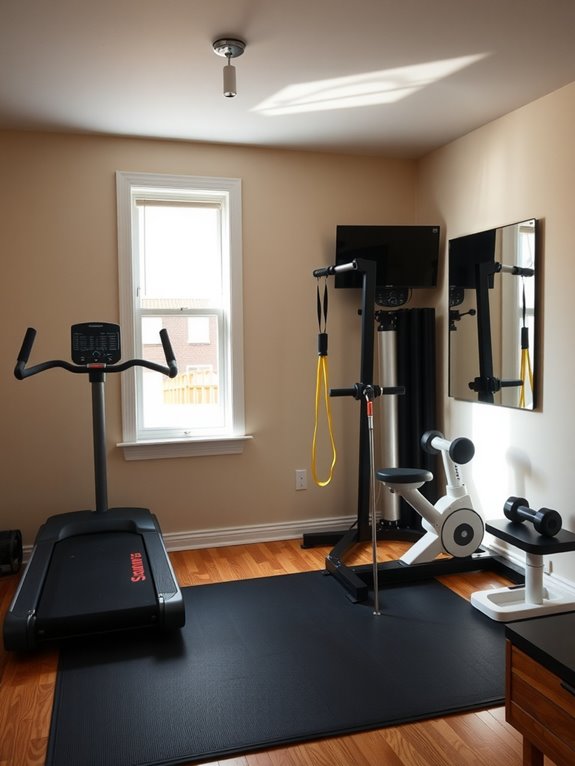
A spare bedroom doesn’t have to sit empty. You can turn it into a personal gym that fits your schedule and needs. Start by picking a room with decent airflow and a way to control the temperature, whether that’s a window fan or adjusting your thermostat. This matters because you’re more likely to stick with workouts when you’re not too hot or cold.
Mirrors on one wall help you watch your form while exercising, which keeps you from doing moves wrong. Rubber flooring or exercise mats protect both your joints and your floor from dropped weights. Budget around $100 to $300 for a good mat set, depending on the room size.
Stock your space with equipment that does more than one thing. Adjustable dumbbells (like Bowflex SelectTech sets at $300-$500) take up way less room than a full dumbbell rack but give you plenty of weight options. A treadmill or exercise bike runs $200-$800 depending on the brand and quality. Resistance bands cost $20-$60 and let you change up your routine without buying more equipment. A simple folding desk ($50-$150) holds your workout plan or phone so you can track your progress.
Good lighting matters more than you’d think. Task lighting or a bright LED panel ($30-$100) lets you see what you’re doing, and it keeps the room from feeling like a basement dungeon. Add storage shelves or bins to keep smaller items organized so your space stays usable instead of becoming a clutter pile.
Sound-absorbing rugs and heavy curtains ($100-$300 total) muffle noise so you’re not keeping everyone else in the house awake. Your household will appreciate the consideration, and you’ll feel better working out without worrying about being too loud.
Set Up a Home Theater for Movie Nights
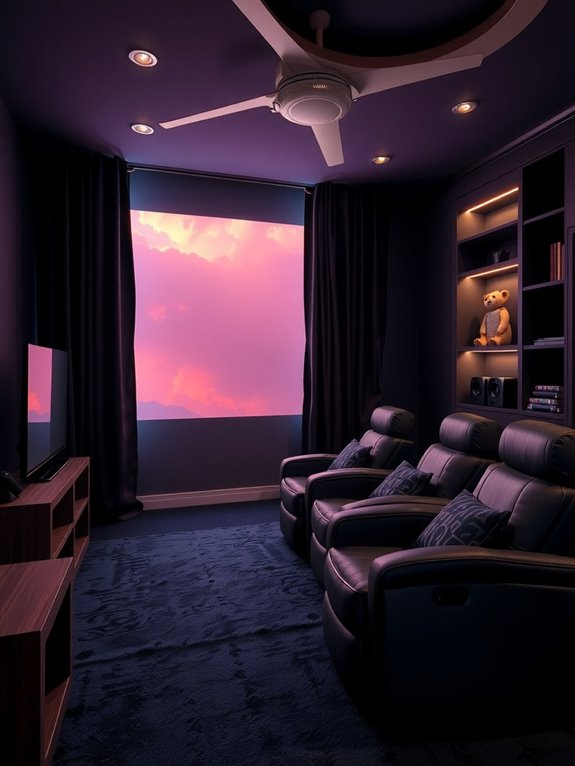
When you’re ready to turn your spare bedroom into a movie room, you’ll need to think about a few key pieces. A quality projector or large TV becomes the center of everything, and blackout curtains keep outside light from washing out your picture. Comfortable seating matters more than you’d think—after sitting through a two-hour movie in a regular chair, you’ll understand why recliners exist. Acoustic panels and soft furnishings absorb sound so your speakers don’t just bounce noise around the room, and positioning your subwoofer away from walls prevents that annoying rattling. A media cabinet keeps all your devices, cables, and remotes in one organized spot instead of scattered across shelves.
| Essential Component | Why It Matters | Your Next Step |
|---|---|---|
| Projector or TV | Creates the viewing experience | Compare brightness and resolution |
| Blackout Curtains | Controls ambient light | Measure your windows first |
| Reclining Seats | Boosts comfort during movies | Test before purchasing |
| Acoustic Panels | Absorbs excess sound | Install behind seating area |
| Media Cabinet | Organizes all your devices | Plan cable management |
Starting with your display: A 55-inch to 75-inch TV runs anywhere from $400 to $2,000 depending on the quality, and it’s the easiest option since you just mount it on the wall. If you have a darker room, a projector (ranging from $300 to $1,500) can make the space feel more like an actual theater. The brightness matters most if your room gets any natural light—look for at least 2,000 lumens.
Controlling the light: Blackout curtains cost between $30 and $150 per window and work better than you’d expect. Measure your windows before ordering so you don’t end up with curtains that don’t quite cover the edges, which defeats the purpose.
Choosing your seating: A single reclining chair runs $200 to $600, while a sectional with recliners can cost $1,000 to $3,000. This is worth testing in person if possible—what feels comfortable for 20 minutes might feel awkward during a full movie.
Improving sound: Acoustic panels ($20 to $80 each) absorb sound rather than letting it bounce around, and you’ll need about four to six depending on room size. Position your subwoofer at least a foot away from walls to let it breathe properly and avoid that boomy, rattling feeling.
Keeping everything organized: A media cabinet ($150 to $500) with proper ventilation prevents your devices from overheating. Good cable management means labeling wires so you know which goes where when you need to adjust something.
Organize a Playroom That Keeps Clutter Under Control
Creating different zones helps kids understand where things belong. Action figures go in one spot, art supplies in another, and building blocks somewhere else. This setup is way easier to keep tidy than dumping everything into one massive pile.
Low shelving with clear bins works best when you place it at a height your kids can actually reach. IKEA’s TROFAST system ($40-$150 depending on size) is a solid choice because children can grab what they need and put it back without your help every single time. That means fewer toys scattered across the floor and fewer requests for you to find something they misplaced.
A fold-out craft table gives you workspace that disappears when you’re done, and storage ottomans do the same thing while also providing a place to sit. Look for options like the Yamazaki Home Tower Shelf Cart ($100-$180) if you need something compact, or a simple folding table paired with a storage bench under $100. These pieces handle double duty—they organize stuff and serve a purpose at the same time, which matters when space is tight.
Designated Zones For Activities
Want to turn your spare bedroom into a playroom without it looking like toys exploded everywhere?
Dividing your space into different activity areas is how you keep things from getting messy. You can use area rugs or floor markers to create clear zones, which makes it way easier to watch what’s happening and keeps everything in its place naturally.
Think about setting up these areas:
- Play zone with open floor space for running around and active games
- Storage zone with low bins and labeled drawers positioned at your kids’ height so they can reach things themselves
- Craft station with a fold-out table and surfaces you can wipe clean easily
- Reading corner with comfortable seating and a shelf of books nearby
- Rest area for quieter activities when kids need to wind down
When each activity has its own spot, you’re not constantly picking up clutter from everywhere. Your kids learn where things go, and putting stuff away becomes less of a battle. The system basically runs itself once it’s set up, which saves you a lot of time and frustration.
Storage Solutions And Organization
Once your zones are set up, the real work begins with storage that actually works for your space. Clear acrylic boxes (like those from The Container Store, around $10-20 each) let you see what’s inside without opening them. Labeled stackable bins keep everything organized and easy to find when you need it.
Wall-mounted shelves free up floor space for actual play, which makes a noticeable difference in how much room you have to move around. A compact folding table gives you a craft workspace that you can put away when you’re done using it. Durable, colorful furniture from brands like IKEA or Rubbermaid wipes clean in seconds, which matters when spills and messes happen regularly.
Here’s a strategy that actually reduces clutter: rotate toys every few weeks. When you put away half your toys and bring them back out later, they feel new again. You end up with less stuff scattered around at any given time. Add a dedicated “put away” bin where toys go before they end up all over the floor. A small dresser or closet organizer handles costumes and games neatly, keeping them from mixing in with everyday toys.
Design a Cozy Reading Retreat
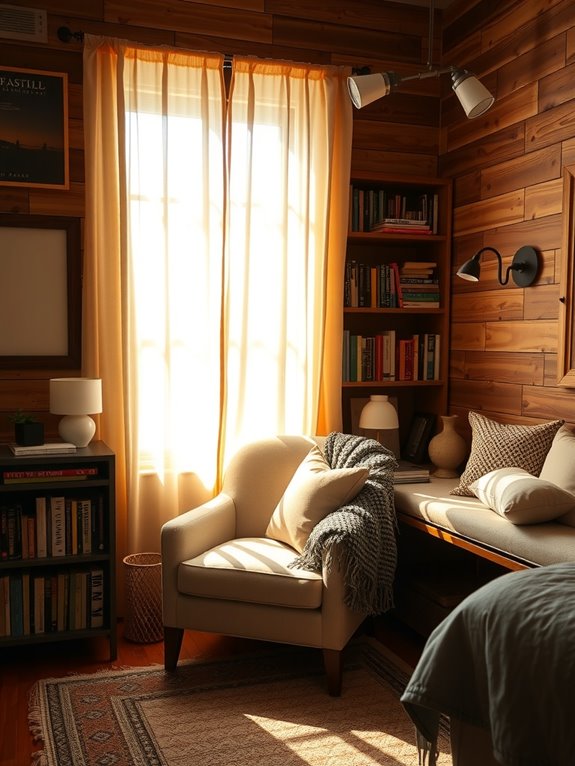
Start with a warm, dimmable floor lamp—a brass arc lamp in the $80–150 range works well because it gives off soft light that won’t tire your eyes during long reading sessions. Position it near your chair so the light hits your book without creating glare on the page.
Low-profile bookshelves or wall niches at eye level make reaching for your next book feel natural instead of forcing you to hunt through stacks. This small detail matters more than you’d think when you’re settling in for a reading session.
A plush chair, chunky throw blanket, and small side table for your coffee mug round out the basics. The chair should be comfortable enough that you’ll actually sit there instead of ending up back on the couch with your phone. A blanket gives you that cozy layer when the room gets chilly, and a nearby table keeps your drink within arm’s reach so you’re not constantly getting up.
Lighting And Comfort Elements
When you’re settling into your spare bedroom with a good book, the right lighting and furniture really do matter. Bad lighting leaves your eyes tired and uncomfortable, while good setup lets you read for hours without strain.
Start with layered lighting. A dimmable overhead light gives you control over brightness depending on the time of day. Add a warm floor lamp next to your reading chair—something like a brass or wood-based model in the $60-$120 range works well. Wall-mounted task lights above shelves help if you read at night without waking others. Windows with sheer curtains bring in natural light during the day without creating glare on your pages. A clip-on reading lamp for your chair itself provides focused light right where you need it.
Comfort matters just as much as lighting. An ergonomic reading chair with proper back support keeps your spine happy during long reading sessions. Look for options with cushioned support in the $200-$400 range if you plan to spend real time there. Drape a washable throw blanket across the arm or back—cotton or linen blends in neutral colors cost around $30-$60 and work better than heavy materials that get too hot. Paint walls in soft neutral tones, and consider adding warm amber accents through artwork or a small side table. These choices work together to create a space where reading feels like the natural thing to do.
Shelving And Storage Solutions
Tall bookcases and floating shelves work best when you arrange them vertically along your walls. This keeps your floor open for furniture like a reading chair, and it’s one of the easiest ways to add storage without making a room feel smaller. You can find basic floating shelves at most hardware stores for $20-$50 per shelf, or go with taller bookcases starting around $100-$300 depending on size and material.
Labeled storage bins and baskets sit nicely on open shelves and help you find things quickly. Magazine holders, fabric baskets, and plastic containers all work—just pick ones that match your style. Clear containers let you see what’s inside without opening them, which saves time when you’re looking for a specific blanket or book.
A compact fold-out desk with charging ports built in solves two problems at once. Your phone stays charged without needing an extra outlet cord snaking across the room, and the desk doesn’t take up much space when you’re not using it. Models with USB ports run between $80-$200, which is reasonable for something that does double duty.
These choices work together to create a space where you’ll actually want to spend time, since you can find what you need and still have room to sit down and read.
Choose Multi-Functional Furniture for Your Space
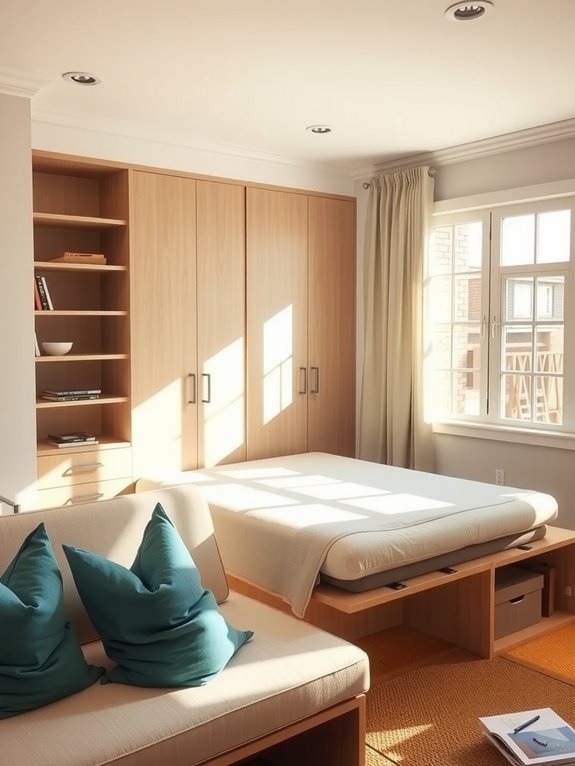
Every square foot matters when you’re outfitting a spare bedroom, so picking furniture that does double duty makes a real difference. You’ll want to invest in pieces that serve multiple purposes. A bed with built-in storage drawers keeps your guests’ belongings organized while freeing up floor space. Consider a sofa bed that lets your room work as both a sleeping area and a hangout spot. Ottomans with hidden storage let you tuck away toys and documents without extra clutter taking over.
Some solid options to look for include fold-out dining or work tables that adjust to your layout, modular dressers with shelves you can move around, lightweight shelving units that reconfigure easily, compact desks that fold away when you need the room, and coffee tables with storage built underneath.
These choices let your spare bedroom adapt to whatever you need right now—whether that’s a guest room, home office, or creative studio. You’re building a space that actually works for the way you live.
Layer Your Lighting and Select a Calming Color Palette
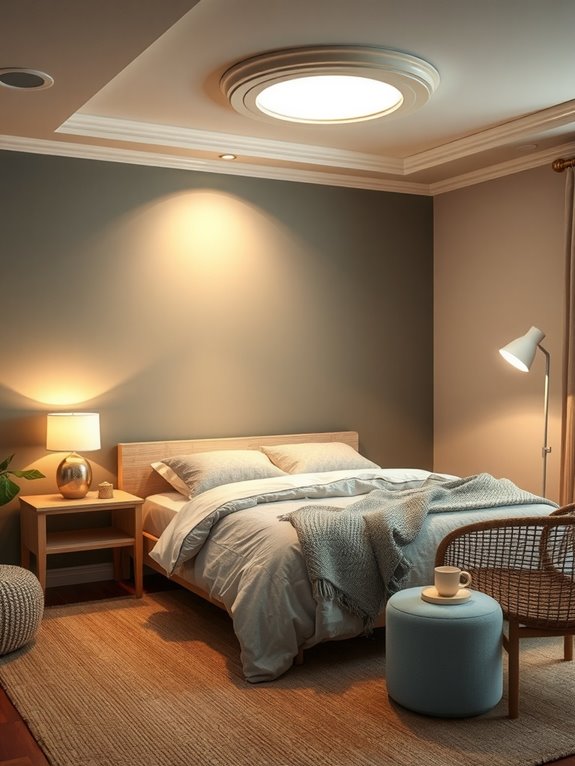
Now that your spare bedroom has furniture that actually works for you, it’s time to think about lighting and color. These two things shape how a room feels.
Lighting and color are the foundation of how a room truly feels and functions throughout your day.
Start by layering your lights instead of relying on just one fixture. A ceiling light handles general brightness, a desk lamp gives you focused light for work, and wall sconces create softer mood lighting. This combination means you can adjust the room based on what you’re doing—bright for tasks, dim for relaxing.
For color, stick with cool neutrals, soft blues, or gentle greens. These shades naturally help people feel calmer and more grounded. Pair them with dimmable, smart-controlled lights so you can shift brightness throughout the day. Brighter white light in the morning helps you wake up, while warmer tones in the evening support better sleep.
When positioning your desk, keep it away from window glare that can strain your eyes. Add a lamp near any reading chair so you’re not squinting at pages. The Philips Hue White Ambiance Starter Kit (around $70-100) lets you control color temperature from your phone, which makes this easy to manage without installing new wiring.
When you plan lighting this way, you create a room that actually works for different times of day and different activities, rather than feeling one-note or awkward.
Avoid These Common Spare-Room Design Mistakes
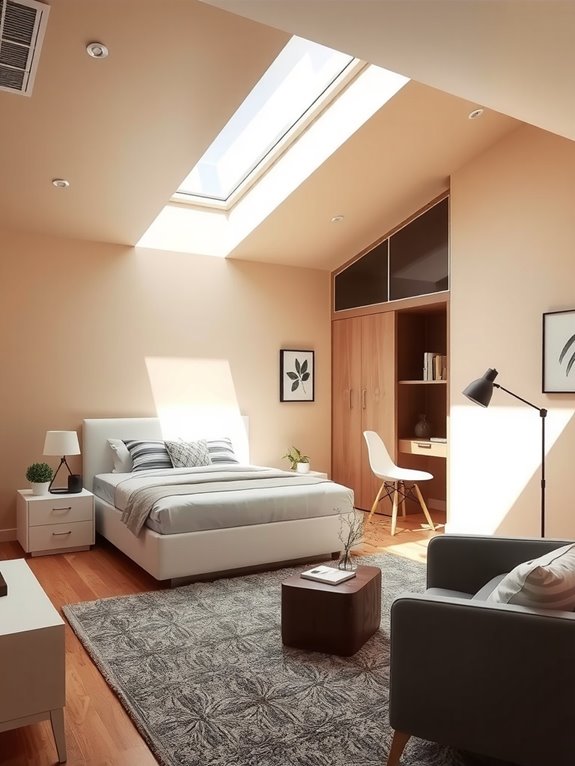
Why do so many spare bedrooms end up feeling like forgotten storage closets? You’re probably making design choices that actually work against you.
Single-use furniture: Don’t just plop down a guest bed. Add a small desk or reading nook instead. A compact desk takes up maybe 3 feet of wall space but gives your room a second purpose. Even a simple IKEA writing desk (around $60-80) lets guests actually do something besides sleep.
Oversized pieces: Large dressers and bulky nightstands eat up floor space and block movement. A dresser that’s 4 feet wide feels fine in a master bedroom but suffocates a smaller guest room. Look for pieces under 30 inches deep instead. Floating shelves or a slim 2-drawer nightstand (around $100-150) keeps things open.
One light source: Overhead lighting alone creates harsh shadows. Layer in lamps for warmth. A pair of bedside lamps and maybe a floor lamp in the corner cost $50-100 total but make the room feel way less institutional. Warm bulbs at 2700K color temperature feel more welcoming than bright white ones.
Missing storage: Without a dresser or closet organization, clutter takes over instantly. Add a shelf unit or small bookcase (around $80-150) so guests know where to put their stuff.
Skipped soft furnishings: Rugs and curtains absorb sound; skip them and your space echoes. A basic rug ($40-80) and some curtains make the room feel less empty and actually quieter.
Smart choices like multi-functional furniture and proper lighting make the space livable and welcoming for the people who actually use it.