
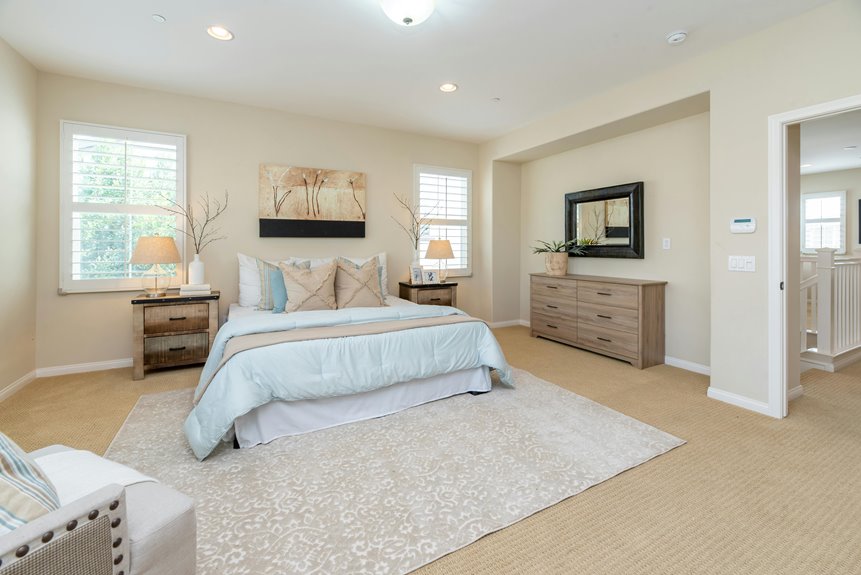
The term “master bedroom” started showing up in 1920s Sears catalogs as a way to describe the largest bedroom in a house—usually the one belonging to whoever ran the household. For a long time, people just used the term without thinking much about it. But language matters, and this phrase has roots connected to slavery and unequal power structures. Because of that history, real estate agents and interior designers have started using different words instead. You’ll now see “primary bedroom” or “main bedroom” on listing sheets and in design magazines. These alternatives do the same job without the uncomfortable baggage that comes with the old term.
What Does “Master Bedroom” Actually Mean?

Ever wondered why we call the biggest bedroom in a house the “master” bedroom. You’re not alone in asking. The term actually showed up in the 1920s, first appearing in a Sears catalog. Back then, it simply meant the largest or main bedroom in a home—the space belonging to the head of the household.
The word “master” came with connotations of power and control within families. But modern conversations recognize that this terminology has some uncomfortable historical baggage. Today’s real estate professionals and homeowners increasingly use neutral alternatives like “primary bedroom” or “owner’s suite” instead. These terms describe the same thing: your main bedroom with its attached bathroom and amenities, but without the ownership connotation that makes people uncomfortable.
Language changes over time, and so does the way we talk about our homes. What seemed normal a hundred years ago might feel different now, and that’s okay. The spaces themselves haven’t changed, but our choice of words reflects how we think about them today.
The Slavery History Behind “Master Bedroom”
The Slavery History Behind “Master Bedroom”
The term “master bedroom” showed up in Sears catalogs during the 1920s, but the word “master” itself carries a much older and darker history. Back when plantations operated across America, “master” meant the person who owned the land and enslaved people. That word brought real power and control into the home—and it’s stuck around for over a century in how we talk about our spaces.
Real estate professionals today understand this connection and are shifting toward different language. Instead of “master,” you’ll increasingly see listings use “primary bedroom,” “main bedroom,” or “owner’s suite.” These alternatives describe the same room without the historical baggage attached.
| Term | Time Period | What It Meant | How It’s Used Now |
|---|---|---|---|
| Master | 1920s onward | Plantation owners | Being reconsidered |
| Primary | 2020s onward | First bedroom | Growing choice |
| Main | 2020s onward | Biggest bedroom | Common option |
| Owner’s Suite | 2020s onward | Belongs to owner | Starting to appear |
Making a choice about which term to use is simple enough. You might call it your “primary bedroom” when talking to a real estate agent or listing your home. Or you could just say “main bedroom” in everyday conversation—most people understand exactly what you mean. The shift in language isn’t about erasing history. Instead, it’s about being thoughtful with the words we use in spaces where we spend so much time. When you choose your terminology, you’re deciding what matters in your own home.
Why “Master” Language Matters Today

The words we choose for rooms in our homes matter more than you might think. When real estate professionals and homeowners use “master bedroom,” they’re using language that comes from a time when homes were organized around power and control. The word “master” itself carries that history with it.
Today, people are choosing different words like “primary bedroom” or “main bedroom” instead. This shift isn’t about pretending the past didn’t happen. It’s about recognizing what certain words mean and deciding whether we want to keep using them. Language shapes how people feel when they’re talking about their homes or looking at a place to buy.
Language shapes how people feel about their homes. Choosing words thoughtfully recognizes the past while building more inclusive housing conversations.
Using inclusive language means more people feel included in conversations about housing. When a real estate agent shows a home, the words they pick matter to how buyers experience the space. Someone might feel more welcome hearing “primary bedroom” instead of language that hints at old-fashioned ideas about who belongs where and who has power.
The change is practical too. Real estate professionals have noticed that gendered language in property descriptions can actually push people away. Updating the words you use helps you connect with more people and speak about homes in ways that feel current.
Your language choices ripple outward. They affect how people see themselves in spaces and whether they feel represented in housing conversations. When you pick words thoughtfully, you’re building a habit of thinking about what language actually communicates, both on purpose and by accident.
What Are People Using Instead?

The housing industry is shifting away from outdated terminology, and real estate professionals are adopting new language that feels more current. In cities like Houston and Washington, DC, agents now use alternatives like “primary bedroom” in listings instead of older terms.
| Alternative Term | Adoption | Feel | Usage |
|---|---|---|---|
| Primary Bedroom | Widespread | Neutral | Most common |
| Main Bedroom | Growing | Simple | Mid-range homes |
| Owner’s Suite | Popular | Upscale | Luxury properties |
| Master Suite | Declining | Traditional | Older listings |
| Principal Bedroom | Emerging | Formal | Regional variation |
“Primary bedroom” has become the standard choice across most of the country. It’s straightforward, clear about which room is the largest, and doesn’t carry baggage from the past. If you’re shopping for homes, you’ll see this term pop up constantly in online listings and property descriptions.
“Main bedroom” works well for mid-range houses and feels casual without being too informal. “Owner’s suite” tends to show up in luxury properties where the bedroom includes a sitting area, walk-in closet, and high-end bathroom. Meanwhile, “master suite” appears mostly in older listings or from agents who haven’t updated their vocabulary yet.
The language choices in real estate matter because they signal who feels welcome in a space. When you see inclusive terminology in listings, it’s a small signal that a community thinks about how their words land with different people.
How Realtors and Designers Are Changing Language

Across the country, real estate professionals and interior designers are actively ditching “master bedroom” in favor of language that feels fresher and more inclusive. The Houston Association of Realtors made headlines in 2020 when they officially switched to “primary bedroom” in their listings, sparking a national movement. Individual agents like Mario Greco have independently adopted these alternatives, showing that change happens gradually across the industry.
You’ll notice agents now use terms like “main bedroom” or “owner’s suite” instead. These shifts reflect a commitment to inclusive language that welcomes everyone. Real estate terminology matters because words shape how we think about homes. Designers increasingly follow suit, updating their portfolios with neutral descriptors. It’s not about rewriting history—it’s about building a housing environment where all buyers feel genuinely included and represented.
Should You Use “Primary Bedroom” in Your Home?

Now that you know the industry is shifting toward “primary bedroom,” you might wonder whether to use it in your own home. Your choice depends on what matters to you and what your community uses.
Your choice of terminology depends on what matters to you and what your community uses.
If you’re selling your home, real estate agents often recommend “primary bedroom” in listings. The reasoning is practical: this language signals you’re thinking about inclusive housing, and many buyers respond positively to it. Using welcoming terminology can help people feel comfortable imagining themselves in your space.
If you’re just describing your home to friends or family, either term works perfectly fine. Nobody’s keeping score at a casual dinner conversation. The terminology becomes more important when you’re communicating professionally—whether that’s in a real estate listing, a rental advertisement, or a property description.
What actually matters most is how your home functions for the people living in it. Whether you call it the primary bedroom or the master bedroom, focus on making it a comfortable place where everyone feels at home.