
Your bedroom probably smells because sweat, dead skin cells, and bacteria are building up in your sheets and mattress. When you don’t open windows regularly, the air gets stale and traps moisture, which makes odors worse. Dirty clothes piled on the floor make the problem even bigger, especially if they’re damp from sweat or humidity.
The good news is that fixing this isn’t complicated. Wash your sheets weekly using hot water, which kills bacteria better than cold water. Vacuum your floor at least once a week to pick up dead skin cells and dust that feed odor-causing bacteria. Open a window for about twenty minutes a few times each week to let fresh air move through the room and dry things out.
Beyond these basics, you can target specific problem areas. Sprinkle baking soda on your mattress, let it sit for fifteen minutes, then vacuum it up—a box costs around two dollars and works well for absorbing trapped odors. If you want something faster, enzyme-based sprays like Nature’s Miracle (around eight dollars per bottle) actually break down the organic material causing smells rather than just covering them up. For your mattress, consider a waterproof cover that costs between thirty and seventy dollars, depending on quality. These prevent sweat and liquids from soaking into the mattress in the first place, which means less bacterial growth and fewer odors down the road.
Get into the habit of putting dirty clothes directly into a hamper or laundry basket instead of leaving them on the floor. This single change stops damp fabric from becoming an odor source while you wait to do laundry.
Five Quick Fixes to Stop Bedroom Odors Today
Ever notice how your bedroom can smell pretty funky when you first walk in after sleeping with the door closed all night. You’re not alone, and the good news is you can fix this today.
Start by cracking open your windows for ventilation. Fresh air works wonders and costs nothing. Next, strip your bed and wash those sheets immediately since sweat and oils build up faster than you’d think. While they’re washing, vacuum your carpet and dust surfaces thoroughly to grab odor particles hiding everywhere.
Check for hidden culprits like damp clothes in your hamper or moisture spots on walls. These often cause way more smell than you’d expect. Finally, use a targeted deodorant spray on your mattress rather than masking everything with heavy fragrances. Febreze Fabric Refresher (around $3-5 per bottle) or Lysol Fabric Mist ($3-6) work well without being overpowering. Address the actual odor source, and you’ll notice the difference by tonight.
Why Your Bedroom Smells Worse in the Morning

While those quick fixes help you tackle bedroom odors right now, you’re probably wondering why the smell comes back so strong when you wake up.
Several things happen overnight that make your room smell worse:
Several things happen overnight that make your room smell worse: closed doors trap odors, bedding absorbs sweat, and stale air concentrates.
- Closed doors trap odors from sweat, bacteria, and body oils, concentrating them for 6–8 hours without fresh air moving through
- Bedding absorbs a lot as sheets and mattresses soak up sweat and skin cells, then release those compounds when you wake up
- Morning breath gets stronger because your mouth produces less saliva while you sleep, letting odor-causing bacteria multiply
- Humidity makes smells linger by slowing down how fast moisture evaporates from damp bedding
- Stale air has nowhere to go, turning your bedroom into a closed box where all the overnight odors just pile up
Without fresh air circulating, everything concentrates—your sheets, the air, all of it. That’s why opening a window or running a fan makes such a noticeable difference. Even 10 minutes of air movement each morning helps clear out what built up during the night.
Your Sheets Are the Problem (Change Them Weekly)
Your sheets collect sweat, body oils, and dead skin cells every night, and that buildup is what makes your room smell stale and off. Washing your bedding weekly—or every two weeks at minimum—cuts through this accumulation and reduces the moisture and bacteria that create those funky odors you notice first thing in the morning.
The good news is that this is one of the simplest improvements you can make. It takes maybe 15 minutes to strip the bed and toss everything in the wash, and the payoff is noticeable within a day or two. No fancy products needed, just a standard laundry routine that actually works.
If you want to speed things up, consider having two sets of sheets so one can be in the wash while you’re using the other. Sheets run anywhere from $20 to $60 for a decent cotton set depending on the quality. Budget cotton blends like Threshold from Target work fine and cost around $25 to $35, while slightly nicer options like Brooklinen or Casper sheets run $100 to $150 but last longer and feel softer over time.
Sweat And Oil Buildup
Did you know that your sheets are basically soaking up everything your body leaves behind every single night? Your bed’s a magnet for sweat buildup and body oils, and here’s what’s actually happening beneath those fabric fibers.
Sweat soaks deep into the material nightly, while body oils create that grimy, sticky feeling. Dead skin cells mix with moisture to intensify bedding odor, and bacteria thrive in these damp, dark environments. Poor ventilation just traps all these particles inside your room, layering up night after night. This gross combination doesn’t disappear on its own—the moisture and oils keep accumulating.
That’s why your bedroom smells stale or musty when you wake up. Changing your sheets weekly tackles this problem at its source by literally removing the main culprit causing that funky morning smell. It’s honestly one of the easiest fixes you can make, and you’ll notice the difference immediately. A standard cotton sheet set runs about $25 to $60 at most stores, and if you rotate between two sets, you can wash one while using the other without running out of clean bedding.
Weekly Laundering Matters
How often should you actually wash your sheets to keep bedroom odors at bay? Aim for weekly laundering to tackle odor control effectively. Your bedding acts like a sponge, soaking up sweat, body oils, and dead skin cells that accumulate throughout the night. When you skip regular washing, these materials concentrate in your sheets, then release powerful smells during sleep.
Weekly changes genuinely work because they prevent that funky buildup from taking hold. If weekly feels impossible, push for at least every two weeks. Use hot water when laundering—it removes odor-carrying bacteria and skin cells far better than cold cycles.
Pair this habit with breathable mattress protection, like a moisture-wicking mattress cover (basic options run $20 to $40), and you’ll notice your bedroom smelling noticeably fresher. Your future self will thank you.
Quick Freshness Routine
When’s the last time you actually changed your sheets? If you’re like most people, they’re probably overdue for a wash. Your bed sheets collect sweat, body oils, and dead skin cells every single night, which is why that stale smell shows up by morning.
The routine is straightforward. Wash your sheets weekly in hot water—this is the main thing that actually eliminates odor-causing buildup. Strip your bed every seven days, which takes about five minutes, and toss your pillowcases in the same load. A standard detergent like Tide Free & Gentle (around $6-8 per bottle) works just fine; you don’t need anything pricey. Dry on medium heat to avoid shrinking.
That’s really it. Regular washing removes the odor that builds up from nightly shedding and perspiration. Your bedroom will smell noticeably better once you treat this as your easiest freshness win. You’re not just cleaning—you’re directly attacking the source of that stale morning smell.
Your Mattress Is Trapping More Odor Than You Think
Your mattress is basically a sponge for every gross thing your body produces—sweat, oils, dead skin cells—and it’s all soaking in there like a squishy, fabric-covered time capsule. Dust mites love this buffet, feeding on shed skin and leaving behind waste that makes odor worse. Since your bedroom probably doesn’t have great air moving through it, smells just sit in those dense mattress materials for months or even years.
| What Traps Odor | How It Happens | Solution |
|---|---|---|
| Sweat & oils | Absorb into fabric layers | Use breathable protectors |
| Dust mite waste | Accumulates in mattress depths | Clean mattress regularly |
| Poor air circulation | Odors concentrate in closed space | Improve ventilation |
The good news is that you can actually do something about this. Breathable mattress protectors like the SafeRest Premium ($40-60) let air flow through while blocking liquids. Regular vacuuming with a handheld attachment gets some of that dust mite waste out of the surface, and cracking a window for 20 minutes a few times a week helps more than you’d think. Latex mattresses naturally resist odor buildup better than memory foam, but every mattress type benefits from this kind of basic upkeep.
Most people don’t realize their mattress needs this kind of attention until they actually do it and notice the difference. It’s not complicated—it just takes a little consistency.
Dirty Clothes Piled on the Floor: The Fastest Way to Stink Up a Room
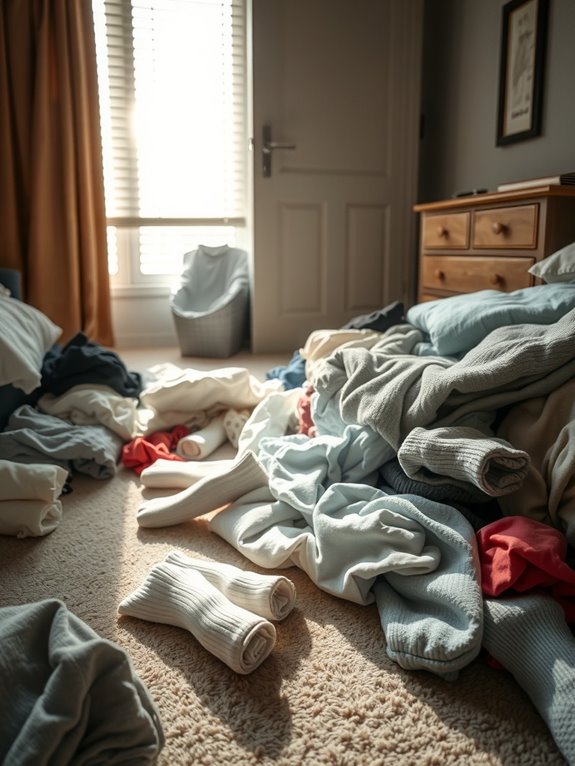
While you’re working on that mattress situation, there’s another culprit lurking in your room that might actually be worse—those piles of dirty clothes scattered across your floor.
When damp clothes pile up on floor surfaces, they’re basically odor factories. Moisture activates bacteria and body oils, creating that sour, musty smell that spreads everywhere. Sweat and bacteria release into the air continuously, moisture gets trapped in fabric fibers, and odors transfer to carpets and bedding nearby. Larger piles intensify the problem exponentially. Within days, musty scents develop and linger.
The fix is straightforward. Air out damp clothes before tossing them in a hamper—just drape them over a chair or hang them on a rack for a few hours. Better yet, wash clothes regularly instead of letting them accumulate. You’ll notice your bedroom smells fresher almost immediately. It’s honestly one of the quickest wins for freshening up your space. A basic laundry hamper like the Rubbermaid Roughneck ($15-25) keeps dirty clothes contained and off the floor, and if you want something that looks nicer, fabric hampers from Target run around $20-30.
How Humidity and Poor Ventilation Lock in Smells

Ever notice how your bedroom smells stale the moment you crack open the door in the morning. That’s humidity and poor ventilation working against you. When your door stays shut for six to eight hours, you’re basically creating a sealed container. You’re exhaling about 200 milliliters of carbon dioxide every minute, plus sweating up to 500 milliliters overnight. Without airflow, odor concentration builds up fast.
Humidity traps those smell particles in the air and on your bedding by slowing down evaporation. The damp environment also lets bacteria multiply, which creates musty or sour scents. Body oils, sweat, and other funk basically get locked in place when moisture levels stay high.
The fix is straightforward: open a window or run a fan to get fresh air moving through your room. Even fifteen minutes makes a noticeable difference, diluting concentrated smells and clearing out that stale feeling. If opening a window isn’t an option, a basic box fan costs around $20 to $40 and does the job well. A small desk fan ($15 to $25) works if you just need air circulation near your bed.
Carpet, Rugs, and Upholstery Hold Odors Longer Than You’d Expect

How long do you think a bad smell lingers in your carpet? Weeks, maybe months. Your carpet fibers and padding absorb moisture deeply, trapping odors way longer than hard floors ever would. You’re dealing with more than just surface-level stink here.
Here’s what’s happening in your bedroom. Dead skin cells and dust settle into carpet fibers, feeding odor-causing bacteria. Moisture gets trapped in the padding below, which slows down evaporation and locks smells in place. High-traffic areas near your bed accumulate foot oils and sweat, intensifying the problem even more. Your furniture works the same way—upholstery holds onto scents stubbornly because it absorbs and retains moisture just like carpet does. Humid rooms make everything worse since moisture absorption happens fastest in those conditions.
Tackling carpet odors
Regular vacuuming helps remove the dust and dead skin that feeds bacteria. Baking soda sprinkled on carpet and left for 15 minutes before vacuuming costs just a few dollars and works reasonably well for light odors. For stronger smells, consider renting a carpet cleaner from most hardware stores for $30–$50 per day, or buying an enzyme-based cleaner like Nature’s Miracle ($8–$15) that breaks down odor-causing compounds rather than just masking them. Spot cleaning spills right away prevents moisture from settling deep into the padding where it becomes harder to reach.
The honest truth: your carpeting absorbs and holds onto odors naturally. Keeping up with cleaning helps, but hard flooring would give you fewer odor problems in the first place.
Food Debris, Pet Dander, and Other Forgotten Odor Sources
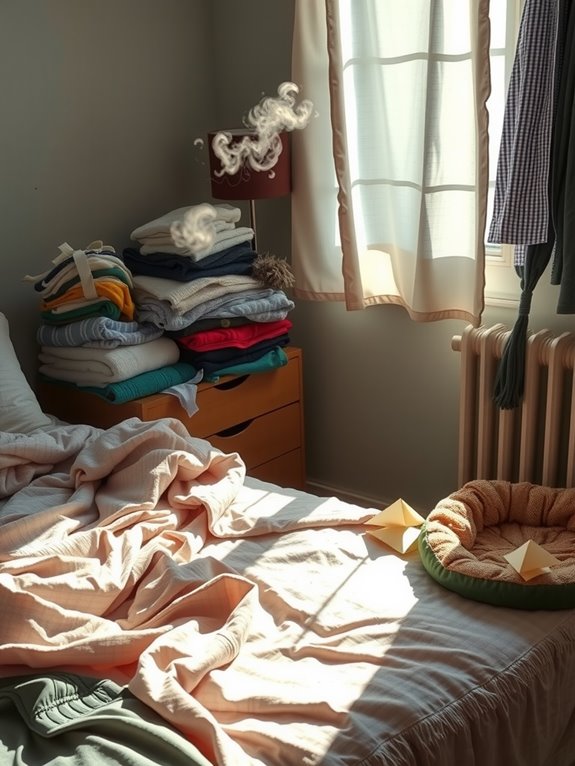
You’d be surprised how fast forgotten food wrappers, spilled drinks, and pet hair pile up and start smelling bad in your bedroom. When your pet sleeps on your bed or carpet, their dander and odors soak into the fabrics and stick around longer than you’d expect—especially if you’re not washing your bedding every week or two.
The real problem is that carpets and rugs absorb odors like sponges. They soak up pet accidents, food crumbs, and spills, which means you’re dealing with multiple smell sources at the same time instead of just one. This is why a weekly vacuum with a model like the Bissell Crosswave (around $400-$500) that handles both wet and dry spots can help, but it won’t fix everything on its own.
What actually works is combining a few practical steps. Start by vacuuming your carpet at least twice a week, then use a baking soda-based powder like Arm & Hammer Carpet Odor Eliminator ($3-$5) before vacuuming again. For fabrics you can wash, throw your sheets, pillowcases, and blankets in the wash weekly with regular detergent. For items you can’t wash as often—like comforters or pet beds—sprinkle baking soda, let it sit for 15 minutes, and vacuum it up.
Pet dander needs its own approach. A washable air purifier like the Levoit Core 300 ($60-$100) with a HEPA filter actually captures pet hair particles before they settle into your fabrics. Running it for a few hours daily makes a noticeable difference. For food debris, the simple fix is not eating in bed and wiping up spills right away instead of letting them dry into the carpet.
Food and Beverage Buildup
When you’re eating snacks or sipping drinks in bed, you’re basically inviting bacteria to set up camp in your bedroom. Half-empty water bottles and forgotten snack containers start growing bacteria within hours, which turns your room into a place that smells pretty rough. Spills that sit around become homes for nasty odors and insects you definitely don’t want hanging around.
Here’s what actually happens when food and beverages pile up. Half-empty bottles develop foul odors fast. Crumbs mix with body odors and dust, making everything smell musty. Spills attract bacteria that produce sour smells, and damp food just makes those odors worse, especially in humid weather. Forgotten containers sit there getting staler and staler.
The fix is straightforward: clean up right after you eat. Wipe spills immediately instead of letting them sit. Remove dishes and bottles from your room daily instead of letting them stack up. This habit takes maybe five minutes but keeps your bedroom from becoming a stink factory. Your nose will notice the difference, and your friends will appreciate walking into a room that actually smells fresh.
Pet Odors and Dander
Ever notice your bedroom smells a bit off even though you just cleaned? Your furry friend might be the culprit. Pet odors come from body oils, dander, and that distinctive scent they carry on their fur. When your pet sleeps on your bed, they’re transferring oils and dander that build up over time, creating musty smells that linger.
Your bedding and textiles trap these odors like sponges. Pet dander settles into pillows, blankets, and carpets, releasing sulfurous notes that get stronger in closed spaces, especially when humidity is high.
The good news is that you can tackle this without spending a lot of money. Wash your bedding weekly in hot water to remove oils and dander buildup. A standard washing machine cycle works fine—you don’t need special detergent, though enzyme-based cleaners like Nature’s Miracle (around $8-12 per bottle) can help break down odor-causing compounds if you’re dealing with stubborn smells.
Groom your pet regularly too. Brushing your dog or cat a few times a week removes loose fur and dander before it ends up on your sheets. A basic slicker brush costs about $10-15 and takes just five minutes per session. Vacuum your carpets and under the bed at least twice a week, paying attention to areas where your pet spends the most time. These simple steps dramatically reduce pet odors and keep your bedroom feeling fresher.
Carpet and Rug Absorption
Why does your carpet smell worse than the rest of your room, even after vacuuming? Your carpet and rugs are basically odor traps. They absorb moisture, sweat, and oils from your feet and body, holding smells deep within their fibers.
Here’s what’s really happening underneath:
- Food crumbs get stuck between fibers and decompose
- Pet dander accumulates in high-traffic areas
- Moisture creates musty, stale odors that linger
- Body oils and dead skin cells near your bed feed odor-causing bacteria
Regular vacuuming only removes surface debris, so you’ll need deeper cleaning to tackle embedded odors. Baking soda is an affordable option that actually works—sprinkle it on your carpet, let it sit for 15 to 30 minutes, then vacuum thoroughly. A box costs around $1 to $3 and can cover a whole bedroom. For stubborn smells, you might rent a carpet cleaner from a hardware store for $20 to $40 per day, or call a professional steam cleaning service for around $100 to $300 depending on your space size. Your bedroom will feel fresher once you address what’s hiding beneath the surface.
Vacuum and Mop More Often (It’s Worth It)
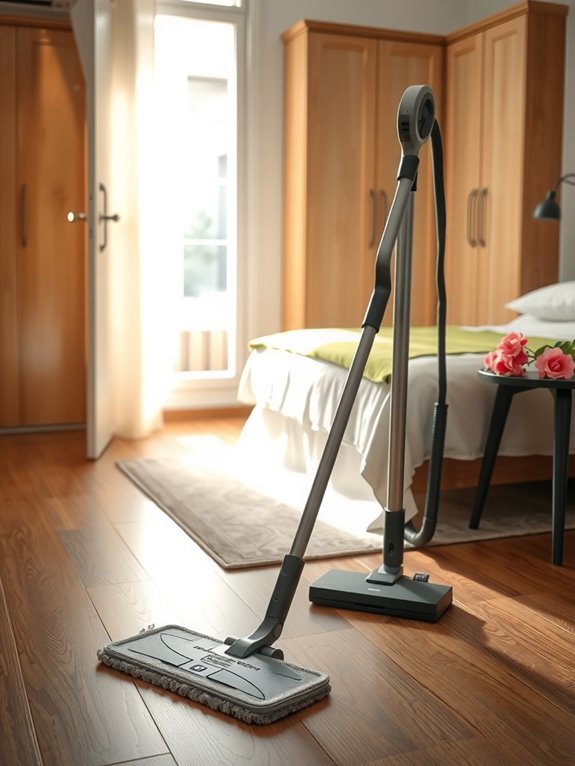
If you want to get rid of bedroom odors, vacuuming and mopping more often really does help. Vacuuming pulls up dust, allergens, and particles that carry smells—things regular cleaning sprays just can’t reach. You’re clearing away more than just visible dirt; you’re actually improving the air in your room.
When you pair vacuuming with mopping, you cover both bases. Mopping tackles moisture and residue buildup that create musty smells, especially on hardwood or tile. A tool like the Maker’s Mop (around $30-50) works on both wet and dry messes, which keeps things consistent whether you have carpet, hard floors, or a mix of both.
Nobody gets excited about vacuuming, that’s fair. But the fresher smell you get back makes the time worth spending. Your bedroom will actually smell noticeably better, and that’s a real benefit you’ll notice every time you walk in.
Deep Cleaning Strategies for Stubborn, Lingering Bedroom Odors
Sometimes the regular cleaning routine just doesn’t cut it—you’ll vacuum, you’ll mop, and that stubborn smell still comes back. When this happens, it’s time to dig deeper and tackle what’s really causing the problem.
Absorb odors trapped in fabrics
Sprinkle baking soda generously on carpets and let it sit overnight, then vacuum thoroughly. A box costs about $1-2 and works by absorbing odors that regular vacuuming misses. The same goes for your mattress—baking soda works there too, though you’ll want to wait a few hours before vacuuming it up.
Get fresh air moving through the room
Open windows and create cross-breezes during cleaning to flush out accumulated moisture and smell molecules. Even 15 minutes of open windows makes a noticeable difference. If outdoor air isn’t an option, a fan pointed toward an open window does similar work.
Hunt for hidden mold and mildew
Check corners, under furniture, and near windows where moisture tends to collect. These spots often hide the real source of bedroom odors. Clean affected areas with a vinegar-water solution (one part white vinegar to one part water), which costs practically nothing and actually kills mold spores rather than just masking the smell.
Control moisture with a dehumidifier
Excess moisture feeds both odors and mold growth. A basic dehumidifier runs between $40-150 depending on room size. Running one for a few hours daily, especially in humid climates or during summer months, noticeably reduces that stale smell over time.
Wash bedding weekly
Sweat, oils, and dead skin deeply penetrate fabrics. Weekly washing removes these materials before they build up and create that persistent bedroom smell.
When to Add Scent (Without Masking the Real Problem)
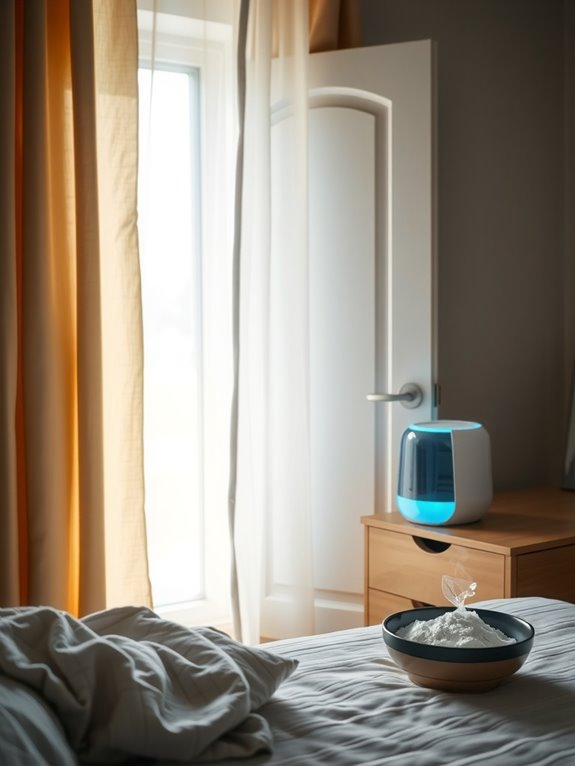
Now that you’ve tackled the source of that stale bedroom smell, it’s tempting to just spray some air freshener and call it a day. But here’s the thing: adding scent before you’ve actually fixed the problem is like putting a fresh coat of paint over mold. You’re just covering up the real issue instead of solving it.
Start with proper ventilation and make sure your odor source is genuinely gone. Once you’ve confirmed that damp towels are washed, mold’s eliminated, and air moves freely through the room, then you can think about adding subtle scents. Light diffusers or candles work well—look for soft vanilla or lavender rather than overwhelming florals that fill the whole room. DIY spray bottles with essential oils are budget-friendly too. You can grab a basic essential oil set from most drugstores for around $10 to $15, then mix a few drops with water in a spray bottle.
The goal is creating a calm backdrop, not covering up a problem. When you layer scent on top of actual cleanliness, it feels right. When you’re just masking something, you’ll know it. A bedroom that actually smells fresh because you fixed it, rather than just smells like perfume, feels pretty good.
When to Call a Professional: Mold, Health Issues, and Air Quality Help
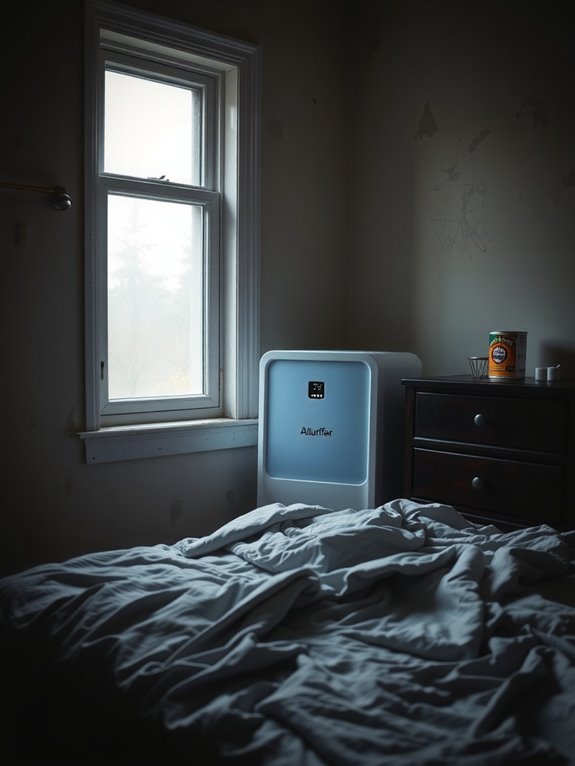
You’ve done the cleaning, cracked open the windows, and tackled every damp towel in sight—so why’s that musty smell still hanging around? Sometimes the problem runs deeper than DIY fixes can handle, and that’s when calling a professional makes sense.
Sometimes the problem runs deeper than DIY fixes can handle—that’s when calling a professional makes sense.
When to reach out to an expert:
- Visible mold or persistent musty odors that stick around despite your efforts
- Health symptoms like chronic coughing, wheezing, or unexplained headaches in your bedroom
- Moisture that keeps coming back after you’ve already cleaned and dried everything
- Strange smells near appliances—gas, ammonia, or sweet coolant odors mean you should leave the space right away and call for help
- Air quality issues like stuffiness in the morning or concentrated odors that won’t quit
A certified HVAC or mold remediation specialist can do a professional inspection, find hidden mold growth, and check your air quality from top to bottom. You’re not giving up by calling someone in. You’re actually being smart by getting the right tools and knowledge for the job.