3 Tips on Where to Place My Bedroom Air Purifier
Put your air purifier three to five feet from your bed’s head on a nightstand, but angle it so the air stream doesn’t blow directly at your face while you sleep. This distance lets you get cleaner air without feeling like you’re sitting in front of a fan all night.
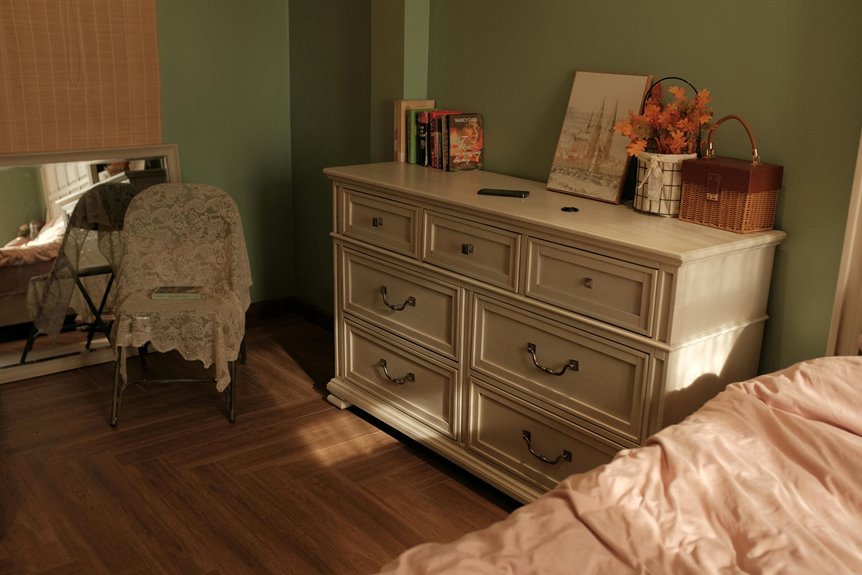
Raise the unit on a table or dresser and leave at least one foot of open space on every side. Air purifiers work by pulling dirty air in from around them, so cramming it into a corner or against a wall means it can’t do its job properly. A model like the Levoit Core 300 (around $100) is compact enough for most nightstands and pulls air effectively from a raised position.
If outdoor allergens are your main problem—think pollen or dust from outside—position the purifier near your bedroom door instead. This placement catches pollutants before they drift deeper into the room and settle on your pillow and sheets. You’re basically creating a first line of defense right where the dirty air wants to enter.
Tip #1: Start at the Head of Your Bed (But Not Directly in Your Face)
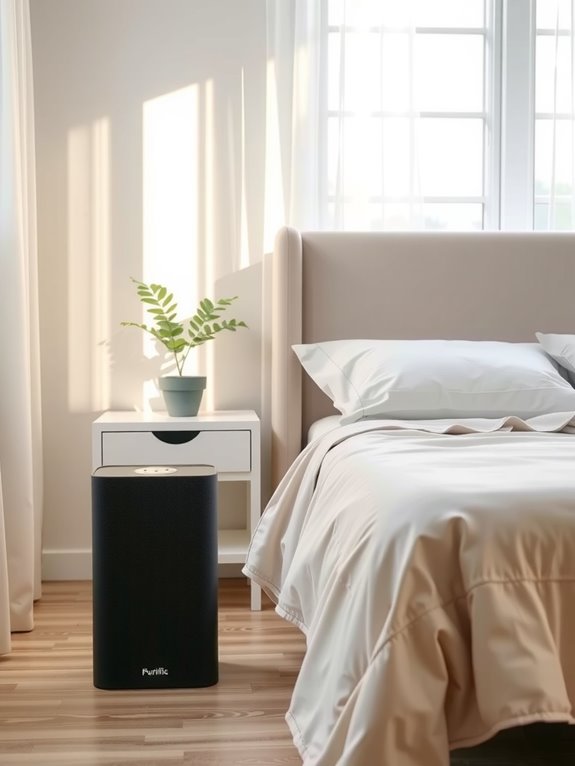
Position your air purifier three to five feet from the head of your bed on a nightstand or dresser. This distance puts the device in your breathing zone while you sleep, which means you’re getting cleaner air right where it matters most.
The tricky part is directing the airflow so it doesn’t feel like you’re sleeping next to a fan. Angle the output slightly or let air drift across your bed instead of pointing it straight at your face. You want comfort, not to feel like you’re in a wind tunnel.
Place the unit on an elevated surface—a nightstand works well—so it can pull air from around your head and shoulders. Leave at least one to two feet of open space around the purifier. Don’t shove it behind furniture or jam it against the wall, since that blocks the intake and makes it work harder than it needs to.
Tip #2: Elevate Your Purifier and Give It Space to Breathe
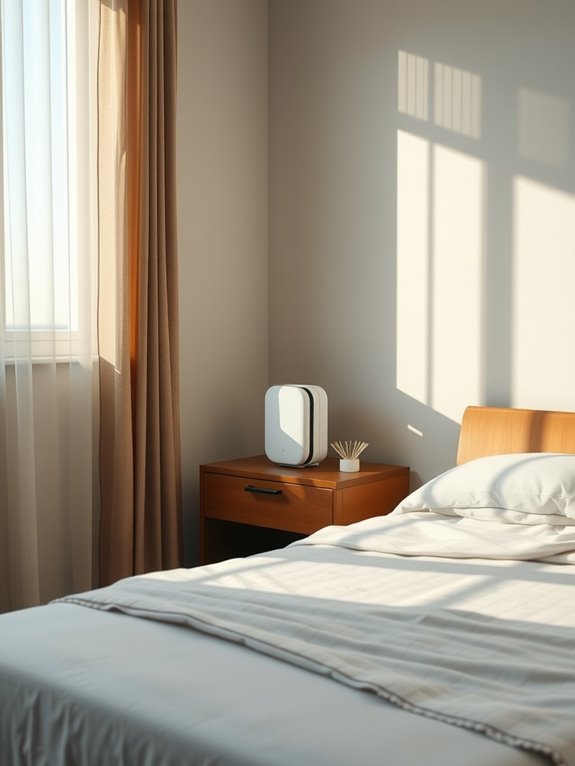
Why does height matter so much for your air purifier? When you place your unit on a nightstand or table instead of the floor, it pulls air from where you actually breathe—not from down by your feet where stale air sits. This simple change makes a real difference in how well the purifier works for you.
But elevation only works if your purifier has room to do its job. You’ll want at least one to two feet of open space on all sides, which means avoiding tight shelf spaces that block air intake. Think of it like this: your purifier needs space around it to pull air in smoothly and push clean air back out into your room. When you cram it into a corner or squeeze it between books and clutter, you’re basically asking it to work with one hand tied behind its back. Give it that breathing room, and you’ll notice better air circulation near your bed.
Tip #3: Consider Door Placement if Outside Allergens Are Your Main Problem
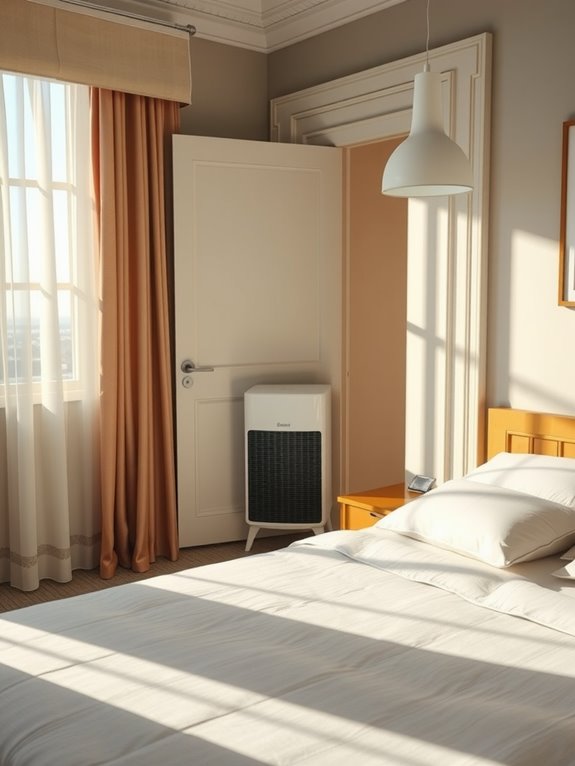
If outside allergens are sneaking into your bedroom from the hallway or other rooms in your house, positioning your air purifier near the bedroom door is worth trying. Place the intake to face the doorway directly so it can catch pollutants right at the entry point before they spread throughout the room.
Keep your bedroom door closed to maximize how well the purifier works. This creates a cleaner air zone where you’ll actually notice the difference in how you feel. Make sure nothing blocks the unit when you open or close the door, since air needs to flow freely around it for the best results.
Door placement works well on its own, but you can get even better allergen control by combining it with other strategies like central placement and putting your purifier up on a surface rather than the floor. This layered approach gives your bedroom multiple ways to catch allergens before they settle in.