

Start by checking your local zoning map to see what’s actually allowed on your property. Your jurisdiction might classify tiny homes as RVs or permanent dwellings—and that’s a pretty big deal since the rules are usually different for each one.
You’ll need to verify a few key measurements. Minimum lot size matters, setbacks typically run between 5 and 25 feet from your property line, and height limits usually cap out around 25 to 35 feet. Some areas let you add an accessory dwelling unit (ADU) by right, which means less paperwork. If your zoning is stricter, look into planned unit developments (PUDs) or conditional use permits that might give you more flexibility.
Don’t forget to confirm utility hookups with your local water and sewer districts before you get too far down the planning road. A quick call to your planning department can answer most of your questions before you spend time and money on designs that won’t actually work in your area.
Start With Your Local Zoning Map
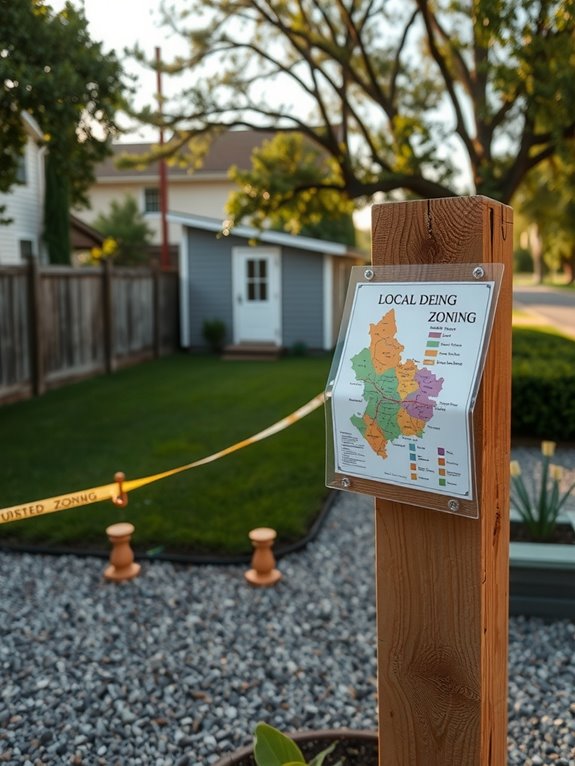
Where do you even start with something like this? Your local zoning map is genuinely your foundation. Pull up your municipality’s official zoning map—usually available online or at your planning department—and find your property’s designation. This tells you what’s actually allowed in your area.
Next, check whether your zone permits a detached ADU or if a tiny home on wheels falls under different classification rules. That classification shapes your entire permitting pathway. Review the specific requirements: minimum lot size, setback requirements from property lines, and height restrictions. These constraints directly impact where you can place your tiny home on your property.
Understanding these details upfront prevents expensive mistakes down the road. You’ll know exactly what’s possible before investing time and money into options that won’t actually work for your situation.
Check How Your Jurisdiction Classifies Tiny Homes
Colorado doesn’t have an official state definition for “tiny house,” which means your local city or county government decides how to classify your tiny home on wheels. They might call it a recreational vehicle or treat it as a permanent dwelling, and that choice matters for what you’re allowed to do with it on your property.
Your next step is checking your zoning ordinance and zoning map. These documents show what structures are permitted in your specific area. What’s legal in one Colorado town might be prohibited just a few miles away in the next county. Your local planning department has the real authority here, not the state. State rules provide the basic framework, but your planning department makes the actual decisions about what can happen on your land.
Classification Pathways and Definitions
How your local government decides to classify a tiny home on wheels can seriously affect what you’re allowed to do with it. THOWs fall into two main pathways: they’re treated either as dwellings or as RVs. In Colorado, this distinction matters a lot because it determines which building codes apply to your property.
Your local zoning ordinance and planning guidance show which pathway your jurisdiction takes. Some areas base the classification on specific characteristics like foundation type or size. Before you start planning, review your property’s zoning status with care.
The classification you receive directly shapes what options you’ll have available. Dwelling classification opens different doors than RV classification does. Your local planning department staff can walk you through exactly how your community approaches this decision—they deal with these questions regularly and know the specifics of how your area handles THOWs.
State vs. Local Regulatory Distinctions
Tiny home regulations work differently depending on where you live in Colorado. The state government has one set of rules, while your town or county government might have completely different rules. Think of it like this: your state says one thing, but your neighbors’ local government gets the final decision about what happens in your backyard.
At the state level, Colorado treats most tiny homes on wheels (THOWs) like RVs. That classification basically means you can’t legally live in one full-time as your main home. But here’s where it gets interesting—your local government might see things differently. Some Colorado towns allow tiny homes that sit on foundations but say no to wheeled versions. Other towns have rules for accessory dwelling units (ADUs), which are smaller living spaces on the same property as a main house. Those rules might actually work for tiny homes if they meet certain requirements.
Since the rules vary so much from place to place, your first step should be contacting your local planning department. They can tell you exactly how your specific town classifies tiny homes and whether your situation could work. They might also let you know if any recent amendments have made the rules more flexible. It’s a straightforward conversation that saves you from spending time on something that won’t actually be allowed where you live.
Know the Three Types of Tiny Homes
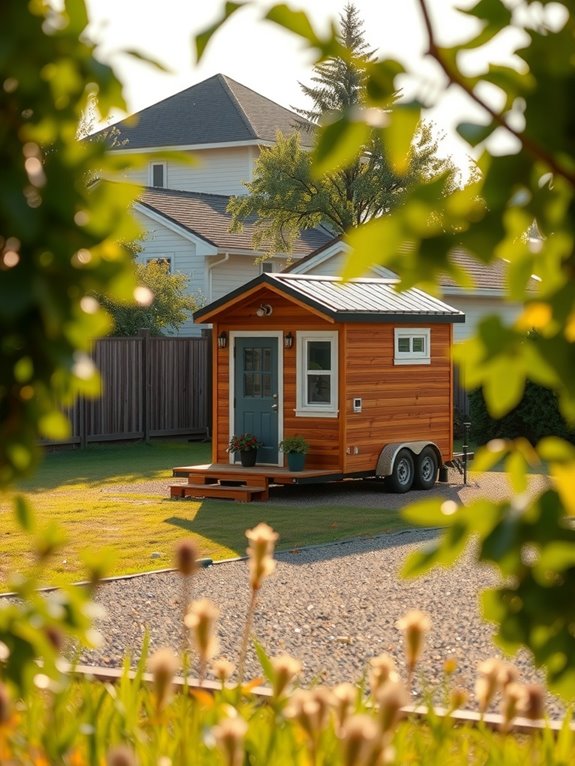
When you’re thinking about putting a tiny home in your backyard, you’ve got three main options to consider, and each one gets treated differently by your local zoning laws.
THOWs (Tiny Homes on Wheels) are mobile units that often get classified as RVs. This classification can be limiting because most areas have strict rules about where you can park them long-term. If you’re considering a THOW, check your local regulations first—some places won’t allow permanent parking in residential neighborhoods.
Foundation-based tiny homes sit on permanent foundations, which makes them count as real property. Local zoning codes tend to be friendlier to these because they look and function like traditional houses. This route usually means fewer headaches when dealing with your city or county.
ADUs (Accessory Dwelling Units) are detached or attached units that are becoming increasingly common in residential areas. Many cities now allow them by right, meaning you don’t need special approval. Communities are loosening rules around ADUs because they help add more housing without changing neighborhood character too much.
Manufactured homes offer another path if you’re starting with a THOW. You can sometimes reclassify your mobile unit as manufactured housing, which gives you access to existing mobile home districts. This option might open doors that straight RV classifications wouldn’t.
Each type works differently with local rules and opens different possibilities for your backyard. Knowing which option fits your situation helps you navigate zoning requirements without wasting time on dead ends.
Check Tiny Home Zoning Lot Size and Density Limits
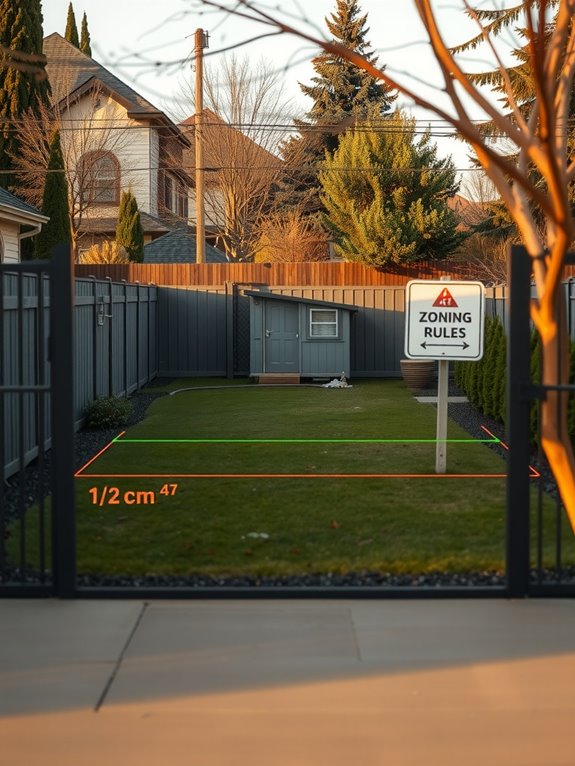
Now that you’ve picked which type of tiny home works best for your situation, it’s time to figure out if your actual lot can handle it. Your local zoning lot size requirements matter tremendously. Many cities, like Fresno, require minimum lot sizes—6,200 square feet for a second dwelling unit and 6,000 square feet for a backyard cottage. These density limits exist to keep neighborhoods feeling balanced and connected.
Check whether your community allows accessory dwelling units (ADUs) or secondary dwellings on single-family lots. Some jurisdictions offer variance mechanisms for smaller units under 500 square feet, which might work with your space. You’ll also need all-weather street access to your tiny home. Contact your local planning department to confirm your lot meets these requirements before investing further.
Review Tiny Home Setback and Height Rules
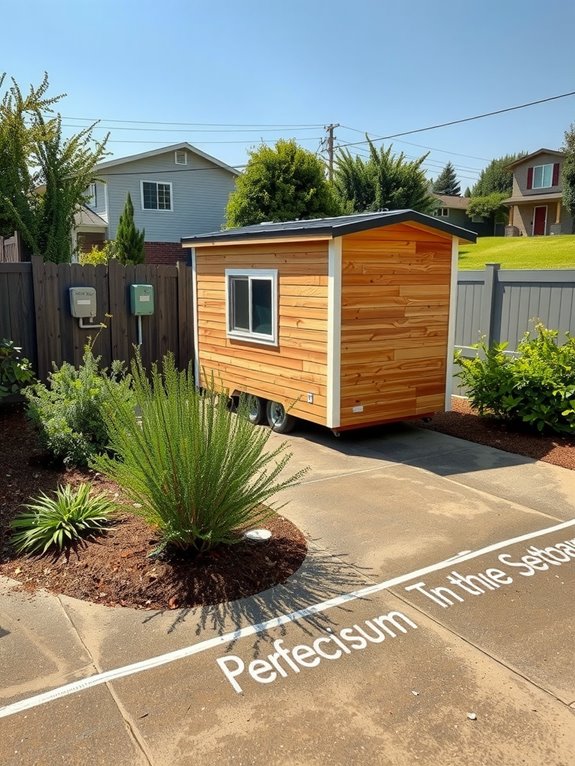
Before you get too far into designing your tiny home, you need to measure two things: how far back from your property lines the building must sit, and how tall it can be. These measurements shape everything about your layout and design choices.
Your local zoning code treats accessory dwellings differently than main houses. That means the setback distances—how far your tiny home needs to be from the street, side yards, and back property line—might be smaller or larger than what applies to a primary residence. Don’t assume the rules are the same. Check your specific code or ask your local zoning office.
Height limits deserve equal attention because they directly affect your interior options. If your area allows 18 feet, you might fit in a sleeping loft or elevated storage. If the limit drops to 12 feet, your layout needs to work entirely on one level or with very low ceiling heights. Some jurisdictions measure height from the finished grade to the roof peak, while others measure to the eaves. That difference matters when you’re working with limited vertical space.
Pick up your zoning ordinance or visit your city or county planning department online. Most municipalities post their codes there. You’ll find setback requirements listed by zone type—usually residential or rural—and height restrictions noted in the same section. Print these pages or bookmark them. You’ll reference them constantly as you develop your design.
Setback Distance Requirements
Before you stake out where your tiny home’s going to sit, you need to understand setback distance requirements—basically the minimum distance your structure has to stay away from your property lines.
Your zoning codes spell out these minimums, and they matter for site planning. Here’s what shapes your setup:
Standard setbacks vary depending on where you live. Most areas require 5 to 25 feet between your tiny home and the property lines. The exact distance depends on your local rules, so checking with your zoning department first saves headaches later.
Accessory dwelling units have their own considerations. Many jurisdictions require these structures to have dedicated all-weather access paths leading to the street. This means you can’t just tuck them anywhere on your property.
Foundation-based tiny homes follow regular building setback rules rather than the looser standards that apply to RVs or mobile structures. This distinction matters because it affects where you’re allowed to position your home.
Local separations between structures serve a real purpose—they help preserve neighborhood compatibility and keep safety standards consistent. Your neighbors’ property lines and structures factor into your placement options too.
These requirements directly limit where you can legally position your tiny home. Before you finalize your placement plans, pull up your local zoning department’s specific regulations. Overlooking these details now means dealing with costly corrections or even relocation later.
Height Limitation Standards
How high can your tiny home actually reach? Your zoning code likely sets specific height limits for ADUs and tiny homes on foundations, often ranging from 25 to 35 feet depending on your neighborhood. These restrictions protect neighborhood character and maintain livable space standards.
Before you build, check whether your jurisdiction follows IRC Appendix Q guidelines or uses local definitions instead. Some areas allow taller structures in certain zones, while others keep everything more modest. A quick call to your local planning department usually clears this up in minutes.
Your tiny home’s vertical dimensions affect more than just looks. Height limits influence solar access for neighbors, how the structure fits into the community, and what you can realistically construct on your lot. Understanding these parameters early prevents expensive redesigns down the road and helps you find a lot that actually works for your vision rather than against it.
Confirm ADUs Work for Tiny Homes on Your Property
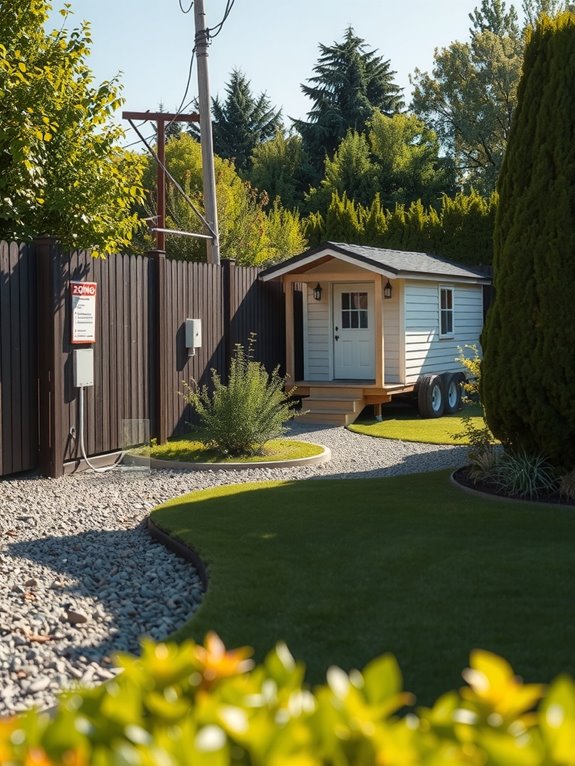
If you’re thinking about putting a tiny home in your backyard, an Accessory Dwelling Unit (ADU) could work well for you. Many neighborhoods allow ADUs right alongside main houses, which makes them a practical way to add a tiny home to your property.
Before you start planning, check a few key things:
Local rules about ADUs – Some cities allow detached ADUs next to primary homes, while others have different requirements. Your area might permit them, or it might not. The only way to know is to ask.
Size and occupancy standards – Different places have different rules about how big a tiny home can be if you’re using it as an ADU, and whether someone can actually live there full-time. These rules change depending on where you live, so what works in one city might not work in another.
What paperwork you’ll need – The permit process varies. Some places have a simple form, while others require building plans, surveys, and multiple approvals. Getting this information upfront saves headaches later.
Permission for permanent living** – Not every jurisdiction allows year-round residence** in an ADU. Some treat them as guest houses only. This is worth confirming early since it affects whether the tiny home actually meets your needs.
Call or visit your local planning department. The staff there can tell you whether your property qualifies and what the actual steps look like for your situation. They often have checklists and timelines they can share with you, which makes the whole process clearer.
Use a PUD to Fit Multiple Tiny Homes
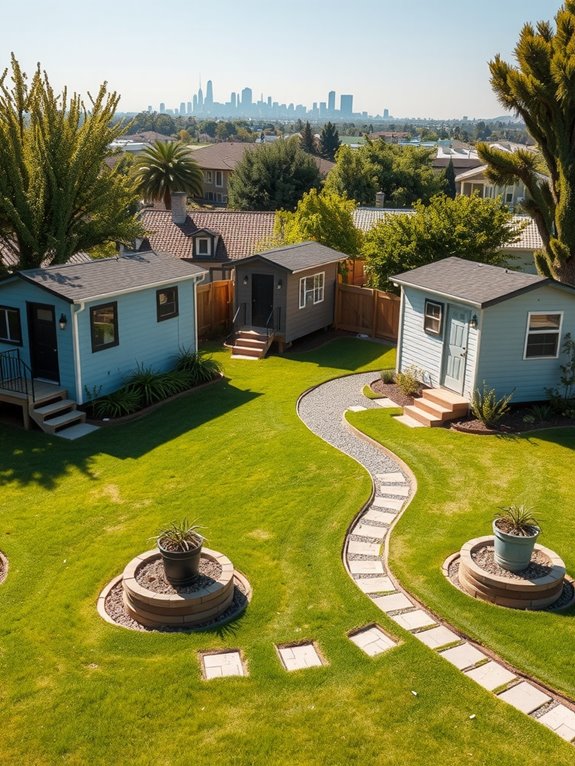
A single tiny home in your backyard is one thing, but what if you’re dreaming bigger—say, creating a whole community of small dwellings on one piece of land?
That’s where PUDs come in. These Planned Unit Developments let you work around rigid zoning rules and create multi-dwelling setups tailored to what you actually want to build. Instead of hunting down multiple variances (which takes forever), you submit one comprehensive site plan that covers everything at once.
The real benefit here is zoning flexibility. You’ll map out how your community handles infrastructure, safety standards, and how it fits with the neighborhood around it. This shows planners you’ve actually thought things through. Talking with your planning staff early makes a real difference. They know what works in your area and can point you toward an approval process that won’t drag on for months.
You’re building more than just homes—you’re creating spaces where people actually want to live together.
Request a Conditional Use Permit for Tiny Home Zoning
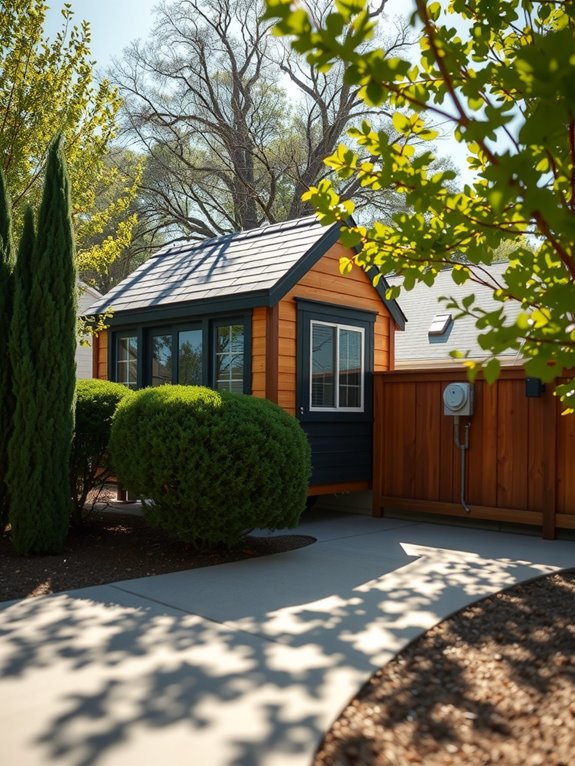
A Conditional Use Permit might be your answer if you want to place a tiny home on your property without completely rewriting your area’s zoning laws. This special approval lets you get permission for a trial program instead of pushing for major zoning changes across your whole neighborhood.
The process starts when you submit your tiny home proposal to your local planning commission. They’ll review your plans and send them to a public hearing where your neighbors and local officials get to ask questions and share concerns. You’ll need to meet specific conditions like setbacks (the distance between your tiny home and property lines), foundation requirements, and design standards that match the neighborhood feel. Most permits also require you to file annual compliance reports and might come with a time limit, so you’re not locked into something permanent right away.
During the public hearing, expect people to bring up practical worries. Traffic flow on your street, where guests will park, and how water and sewer lines will handle the extra home all come up for discussion. These aren’t just nitpicky complaints—they’re real questions your neighbors want answered, and addressing them directly actually helps your case.
If the planning commission approves your permit, you get to build your tiny home in a residential backyard without reshaping the whole zoning code for your community. It’s a practical route that works because it reassures everyone that this is a real solution, not a permanent change nobody signed up for.
Verify Utility Hookups for Your Tiny Home
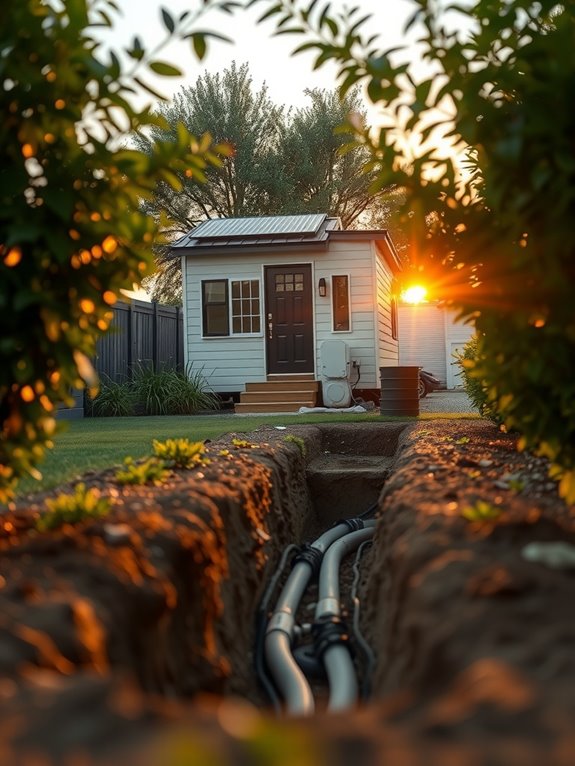
Your tiny home’s utilities depend heavily on whether it sits on a foundation or has wheels underneath. A wheeled THOW (tiny house on wheels) typically needs a 30-50 amp shore power outlet similar to what an RV uses, while a foundation-based ADU connects to standard utility lines like regular houses do.
Before you get attached to a specific tiny home design, call your local building department and ask about water and sewer service on your lot. Some properties already have these connections available, but others require a private well and septic system instead. That answer matters because it shapes your entire permit and inspection process.
Most areas require permanent utility hookups rather than temporary connections. That said, some jurisdictions do allow off-grid options, so you’ll want to check what your specific local code permits before you commit to anything. It’s one of those details that feels boring until you realize it could affect whether your tiny home plan actually works on your property.
Foundation vs. Wheels Utilities
When you’re choosing between a tiny home on wheels (THOW) and a foundation-based tiny home in Colorado, one of the biggest practical differences is how utilities connect to your place. And here’s the thing—this choice actually affects whether you can legally live there year-round.
Tiny homes on wheels typically use RV-style hookups. Your water comes in through a hose, sewage goes into holding tanks, and electrical power maxes out at 30–50 amps from a shore power connection. It’s the same setup you’d see at an RV park. Foundation-based homes, on the other hand, get permanent utility infrastructure. That means standard water lines buried underground, a proper sewer connection, and full electrical service that can handle whatever you plug in.
Here’s where it matters for your residency status: most Colorado towns classify anything with RV hookups as a recreational vehicle, which limits or blocks full-time living. Places like Walsenburg, though, recognize foundation-based tiny homes as legitimate residences. They’re willing to permit them under ADU (accessory dwelling unit) rules, but they treat THOWs differently because of those temporary utility connections.
The utilities setup basically determines your zoning category, and your zoning category determines what you’re legally allowed to do with your home. A foundation setup opens doors that an RV-style system simply can’t access in most Colorado jurisdictions.
Utility Approval and Permits
Getting permission to hook up water, sewer, and electric to a backyard tiny home takes some legwork, but it’s the kind of work that saves you from headaches later. Start by calling your local water and sewer districts because they’re the gatekeepers for those connections. They’ll tell you whether your property can actually handle what you want to do.
Next comes the paperwork. You’ll need to submit building permits and separate permits for electric hookups. Most jurisdictions require inspections at different stages—framing, electrical rough-in, final inspection—to make sure everything follows local building codes. It sounds tedious, but these checkpoints catch problems before they become expensive fixes.
Your area probably has an all-weather access requirement too, which means a solid pathway from the street to your tiny home. No muddy shortcuts or gravel that washes away. This isn’t just red tape. These rules protect your investment and keep your neighbors from having legitimate complaints about runoff or blocking sight lines.
Here’s the real talk: contact your local permitting office early in the planning stage. The people who work there aren’t trying to make your life difficult. Once you know what to ask—like whether your lot size qualifies or if setback requirements affect where you can place the structure—they’re usually straightforward about helping you navigate the process. Getting ahead on utilities and permits now prevents the kind of delays that tack months onto your project timeline.
Call Planning to Confirm Tiny Home Zoning Rules
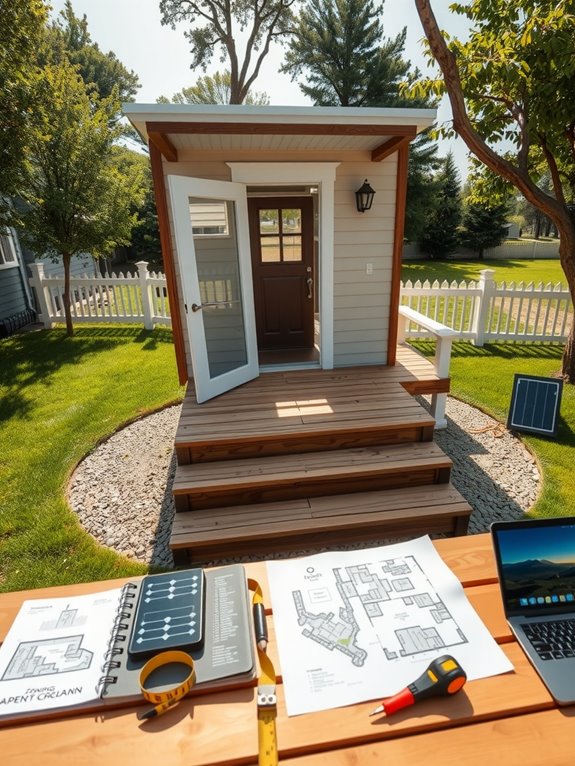
Before you break ground on that backyard tiny home, picking up the phone and calling your local planning department is worth your time. These folks are basically the gatekeepers of what you can and can’t build in your area. They know your zoning rules inside and out, and a quick conversation now saves you headaches later.
When you call, ask about these specific things:
- Whether ADUs (accessory dwelling units) are allowed by right in your residential zone
- If detached tiny homes are permitted on your property
- What your land use codes say about second dwellings
- Which permits and special approvals you’ll need before construction starts
Your planning department can also share existing ordinances and guidance documents specific to your neighborhood. They might have fact sheets about tiny home construction, setback requirements, or size limits that apply to your lot. Getting these answers upfront means you’re building with actual information, not guessing what might be allowed.