
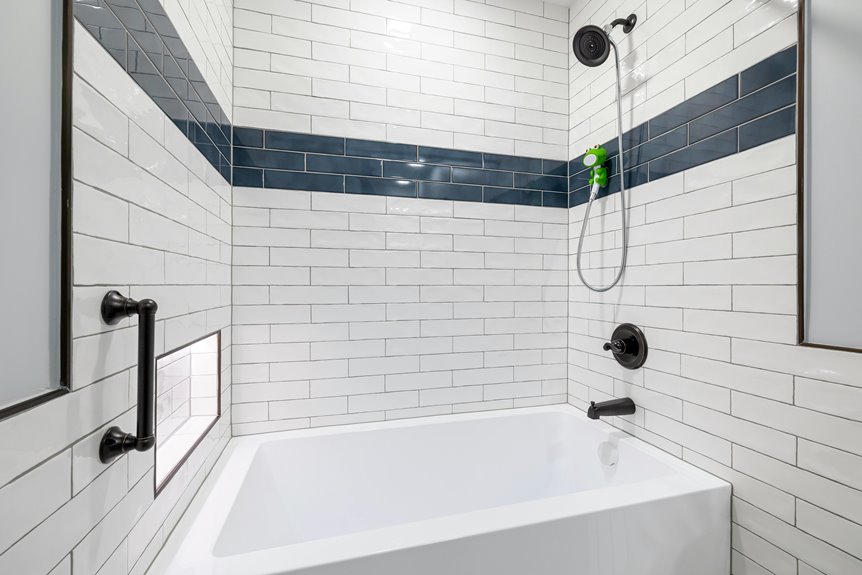
You’ll need a permit for most bathroom work that involves plumbing, electrical systems, or structures. Moving toilets, sinks, or drains all require permits. Same goes for adding outlets or rewiring circuits.
The good news is that cosmetic updates typically don’t need permits. Painting walls, swapping out hardware like towel bars or cabinet knobs, and replacing fixtures that stay in the same spot fall into this category.
Permit costs usually run between $150 and $400, depending on how much work you’re doing. The approval process takes two to four weeks, which is worth factoring into your timeline.
Skipping permits might seem like a quick way to save money, but it can create real problems later. You could face fines, issues when selling your home, or trouble with insurance claims. It’s worth checking with your local building department first to find out exactly what paperwork you need. They can tell you whether your specific project requires one or if you can move forward without it.
Do You Need a Permit to Renovate a Bathroom?
Whether you’re planning a bathroom overhaul or just refreshing the space, the permit question matters. The answer really depends on what you’re actually doing.
Most substantial bathroom renovation work needs a permit. If you’re moving fixtures like toilets, sinks, or showers, you’ll need one. Same goes for adding electrical outlets or making structural changes. But cosmetic updates—painting walls or swapping out a fixture in its original spot—typically don’t require permits at all.
Local codes exist to keep your home safe and functional. Permits document that your work meets building standards and confirms proper plumbing and electrical installation. In places like Martinsburg, WV, the Planning Department reviews your bathroom layouts and specifications within 5–10 business days. Costs usually range from $150–$400, and permits stay valid for six months while inspectors check your progress throughout the project.
Does Your Project Need a Permit?
Now that you know permits exist, you’re probably wondering if your specific bathroom project actually needs one. Here’s the straightforward rule: if you’re moving fixtures like toilets or sinks, touching plumbing or electrical systems, or adding outlets, you’ll need a permit. Think of it as your project’s official permission slip.
Cosmetic updates—painting walls, replacing mirrors, swapping out cabinet hardware—don’t require permits. You can tackle those yourself without paperwork headaches.
Licensed contractors handle permit requirements smoothly because they know what inspectors want to see and how to streamline the entire process. Getting ahead of permit needs saves you frustration and potential fines down the road. Permits protect you by confirming your work meets local codes and keeping your home safe, which matters a lot more than skipping the paperwork might seem to save you.
Cosmetic Updates That Don’t Need Permits
What’s the easiest way to refresh your bathroom without dealing with permit paperwork? Cosmetic updates are your answer. You can paint walls, install mirrors, and replace light fixtures without rewiring—all permit-free moves. Swapping out your vanity or toilet in the same spot also works, as long as you don’t touch plumbing lines or connections.
New flooring over existing subfloors and refinished surfaces skip permit requirements too. These updates avoid the structural changes, plumbing alterations, and electrical work that typically trigger permits.
Here’s the catch: don’t skip checking your local codes. Some jurisdictions require permits if your project unexpectedly involves concealed plumbing or electrical systems. A quick call to your building department keeps you following regulations and on the right side of things. It takes five minutes and saves you potential headaches later.
Plumbing Changes That Always Require Permits
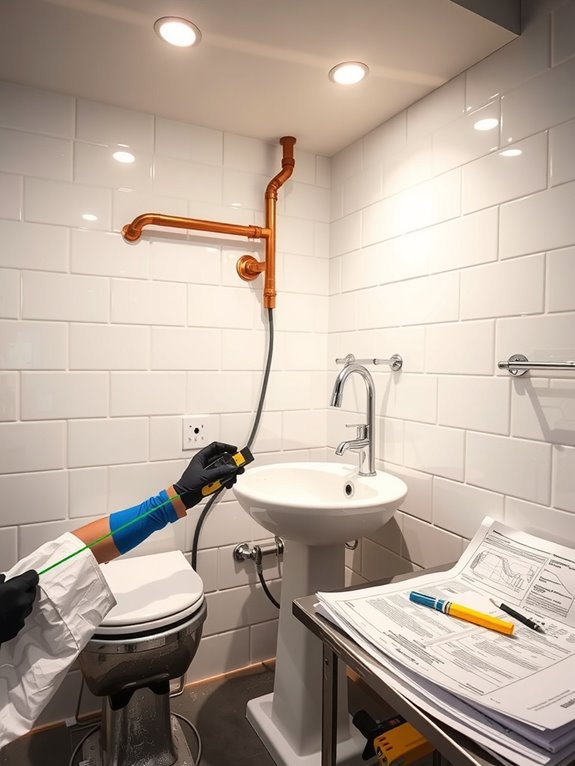
When you move pipes around in your home, permits become mandatory. Relocating toilets, sinks, or showers requires them. Moving a sink drain, reconfiguring vanity plumbing, adding new plumbing lines, or replacing your water heater all demand permits without exception.
Why does this matter? Plumbing changes touch your home’s basic infrastructure and safety systems. Your local building department runs inspections to make sure everything follows plumbing codes. Skipping this step isn’t an option, even if you’re just shifting fixture locations slightly.
Think of permits as a quality check for your project. They protect you, your home, and the people working on it. Getting inspections done properly helps you dodge expensive problems later on. The paperwork takes some time and effort, but it’s worth it.
Electrical Upgrades and Permit Requirements
When you’re upgrading outlets, installing new fixtures, or rewiring anything in your bathroom, you need a permit. There’s really no getting around it. Electrical permits aren’t optional the way some plumbing tasks can be.
| What You’re Doing | Permit Needed | Why It Matters |
|---|---|---|
| Adding outlets | Yes | Safety inspection |
| Installing lighting | Yes | Code compliance |
| Rewiring circuits | Yes | Professional verification |
| Replacing fixtures | Yes | Inspection required |
Here’s the thing: following local building codes protects your home and your family. A licensed electrician knows how to handle everything properly and will get your work through inspections without hiccups. They understand what your local building department requires and how to meet those standards.
Skipping permits comes with real consequences. You could face fines, and your homeowner’s insurance might not cover damage from unpermitted work. That’s the kind of problem that sticks around. Hiring a licensed electrician costs money upfront, but it’s money that keeps your bathroom safe and prevents headaches down the road.
Structural Work: When You Need a Building Permit
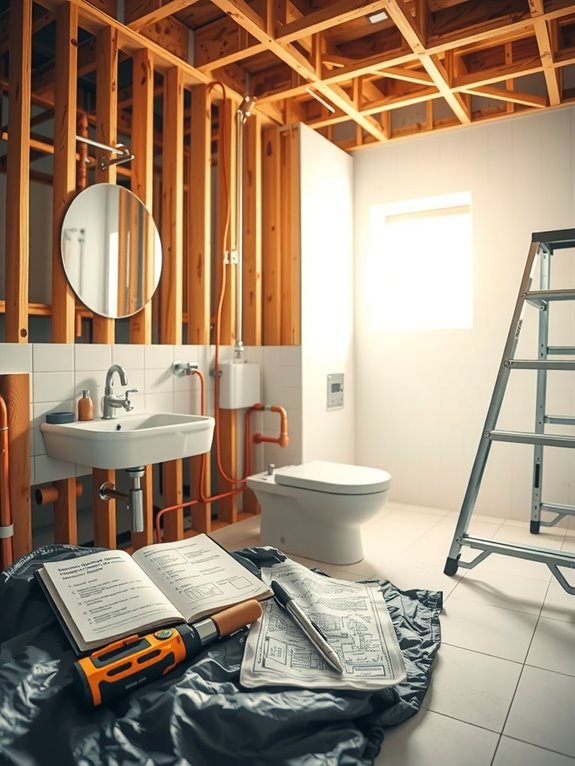
Structural work affects how your whole house holds together, and building inspectors need to verify that everything meets code and keeps your family safe. When you’re planning bathroom remodeling, you’ll need a building permit if you’re removing or altering load-bearing walls. Any structural changes like major framing adjustments, beam alterations, or roof deck work over 64 square feet typically require permits. Relocating toilets, sinks, or showers also demands permit approval since these involve both structural and plumbing connections.
Here’s the thing though: local jurisdictions have different thresholds for what needs a permit. What requires approval in one city might not in another, which is why you should always check with your municipal building department before starting work. They’ll tell you exactly what your specific location requires and help you avoid costly mistakes down the line. Think of them as your best resource for getting the rules right rather than finding out later that you needed a permit all along.
How to Apply for a Bathroom Renovation Permit
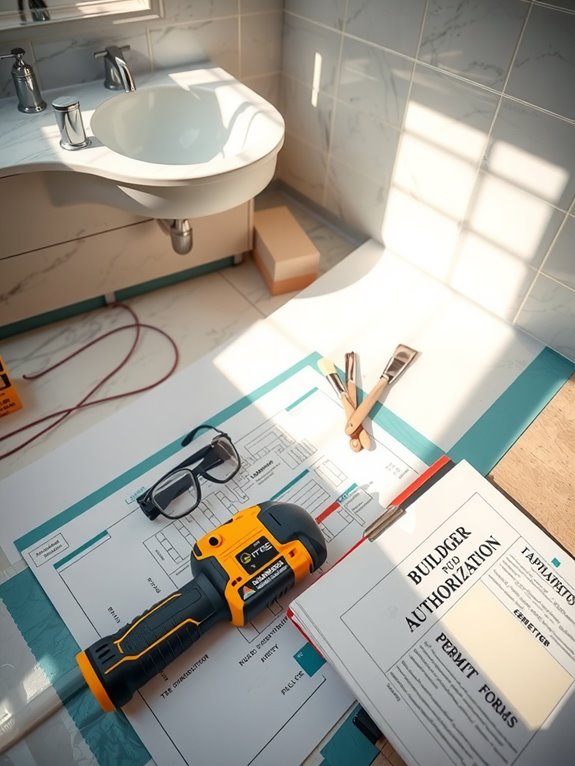
Getting your bathroom renovation officially approved in Martinsburg WV starts at the Planning Department, located at 232 North Queen Street. When you go in, bring detailed bathroom layout drawings, electrical specs, and plumbing plans—basically, anything that shows exactly what you’re changing.
Start your Martinsburg WV bathroom renovation at the Planning Department with detailed layout drawings, electrical specs, and plumbing plans.
The review process takes 5–10 business days, so plan your timeline accordingly. Permit costs typically range from $150 to $400 depending on how big your project is. Once you get the green light, your permit stays valid for six months, which gives you a solid window to complete the work.
You don’t have to do this alone, though. Licensed contractors like Millers Residential Creations know the permit requirements and building codes inside and out. They handle document gathering and streamline the whole process, which means you can focus on what your new bathroom will actually look like instead of getting bogged down in paperwork.
Timeline and Costs for Bathroom Renovation Permits
Once you submit your application, plan for a 5–10 business day review period while the permit office checks over your plans. Bigger projects or homes built a long time ago might need extra time. You’ll pay between $150 and $400 in permit fees, depending on how involved your renovation is. That fee covers the paperwork and the initial approval process.
After you get approval, your permit is good for six months. That’s a decent window to schedule inspections at the right moments—when your plumbing rough-ins are finished, when electrical work is done, and at other key checkpoints. It’s nice to have that flexibility built in rather than feeling rushed through the whole project.
Permit Fee Breakdown
When you’re planning a bathroom renovation, the permit costs usually fall somewhere between $150 and $400. The exact amount depends on what you’re actually doing—whether you’re just refreshing fixtures or tearing into walls to redo plumbing and electrical work.
Basic permits for smaller updates run about $150. If you’re doing something more involved, expect to pay between $250 and $300. The bigger projects that need detailed plumbing and electrical plans can reach $400. These fees cover both the permit itself and the inspections you’ll need at different stages of your renovation.
One thing to keep in mind is the timeline. Most permit applications get reviewed within 5 to 10 business days, so you won’t be waiting forever. Once approved, your permit lasts for six months, which gives you plenty of time to actually complete the work and schedule those required inspections. Knowing these details upfront means you can budget properly and avoid any surprises down the road.
Application Review Duration
Once you submit your bathroom renovation permit, you’re typically waiting 5 to 10 business days for the review. That’s the standard timeline for straightforward projects. If your renovation involves multiple systems—like plumbing, electrical work, and structural changes—the review will take longer. The Planning and Building departments need time to go through your detailed plans, plumbing specs, and electrical documentation carefully.
After approval, your permit is valid for six months. That gives you a reasonable window to actually get the work done. Inspections happen at different stages throughout your project, so you’ll coordinate with inspectors as the work progresses. Most basic bathroom projects move through the approval process pretty quickly, which means you can get started sooner than you might expect.
Inspection Scheduling Timeline
After your permit gets approved, inspections become part of your project routine. You’ll schedule them at different points as each phase of work wraps up. Think of inspections as checkpoints that verify everything is safe and follows local building codes.
Here’s when inspectors typically show up:
- Plumbing inspection – after pipes and fixtures are installed
- Electrical inspection – once wiring and outlets are in place
- Structural inspection – if you’re moving walls or changing layouts
- Final inspection – when all permitted work is complete
Each inspection usually takes a day or two to schedule, so plan ahead rather than waiting until the last minute. Inspectors check that your work meets safety standards. You can’t move forward to the next phase until they give their approval, which keeps everything organized and protects what you’re investing in your home.
Preparing for Your Permit Inspection: What to Expect
Once you have your permit, you’ll need to prepare for several inspections during your bathroom renovation. Inspectors will check your work at different stages—after rough-in plumbing and electrical, after framing and insulation, and after you install fixtures. Each checkpoint covers different systems, so you’ll see different inspectors depending on what’s being reviewed.
Before each inspection, gather your approved plans, permit numbers, and any checklists your local jurisdiction provides. Having these documents ready shows you’re organized and keeps the process moving faster.
Hiring a licensed contractor is worth considering if you want someone to handle inspection scheduling and paperwork. They’ll catch potential code issues before inspectors arrive, which means fewer surprises and a better chance of passing on your first try. A contractor typically costs between $50 and $150 per hour, depending on your area and their experience level, but the investment often pays for itself by avoiding expensive rework.
5 Costly Mistakes That Delay Permit Approval
Even with a licensed contractor handling inspections, you might still hit delays that stretch permit approval into weeks or months. Bathroom renovations get held up pretty regularly, and most of the time it comes down to a handful of preventable issues.
Skipping detailed specs** makes your paperwork incomplete. Missing documentation about plumbing changes** or electrical layouts turns what should be a 5–10 day review into months of going back and forth with the permitting office. They need specifics, not general descriptions.
Incomplete floor plans create another common roadblock. Drawings that don’t clearly show where fixtures go or what materials you’re using will get flagged. The permit office needs to verify that everything meets local codes, and they can’t do that without proper details on paper.
Historic district status catches people off guard. If your property sits in an overlay zone, you’ll face additional review layers you didn’t budget time for. That’s weeks added to your timeline right there. Check your property’s zoning status before you start planning.
Unlicensed contractors mean skipped inspections, which leads to retroactive permits and fines. Those fines can halt your entire project. Your contractor needs current licensing—this isn’t something to compromise on.
The straightforward fix is handling your paperwork thoroughly before day one. Confirm your contractor’s credentials, gather all required documentation, and verify your property’s zoning status upfront. Front-loading this work costs nothing and saves you significant frustration down the road.
Hiring a Contractor: What to Verify About Permit Experience
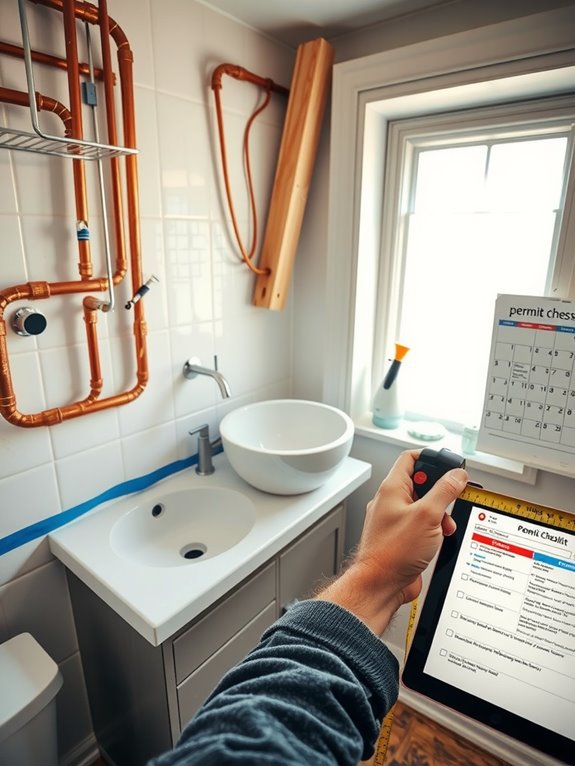
How do you know if a contractor actually knows their way around the permit process. Ask them directly about their experience handling applications and coordinating with your local building department. A reliable contractor should produce detailed plans, electrical and plumbing specs, and material lists without hesitation.
Request their licensing, insurance documentation, and references from similar projects. You’ll want evidence they’ve successfully navigated inspections before. When a contractor understands permit requirements, your project stays on track and avoids costly delays.
They should also provide a written timeline that accounts for typical permit review windows—usually two to six months depending on your area. This timeline should include specific inspection milestones so you’re not caught off guard. Knowing when inspectors will show up keeps everyone on the same page and prevents the kind of scrambling that happens when teams aren’t prepared.
What Happens If You Skip Permits: Legal and Financial Risks
Think skipping permits saves you time and money. You’re actually setting yourself up for some real problems.
Financial penalties: Local municipalities will hit you with substantial fines and retroactive permit fees. These costs add up quickly and can drain your wallet far more than getting the permit upfront would have.
Insurance and coverage issues: Your homeowner’s insurance coverage gets jeopardized when unpermitted work is discovered. That means you’ll be responsible for paying out of pocket for fire or water damage repairs, which can cost thousands of dollars.
Resale headaches: Home inspections uncover unpermitted electrical and plumbing work, which can derail sales entirely. You’ll also create title issues that make it harder for future buyers to get financing, which shrinks your pool of interested buyers and tanks your home’s value.
Safety risks: Unpermitted electrical and plumbing work increases fire and water damage risks without official oversight or inspections to catch problems before they become dangerous.
Permits exist for good reasons beyond bureaucracy. Skipping them might feel convenient right now, but you’ll face long-term ownership costs that make permits look cheap in comparison. Your home’s value and your family’s safety depend on following the proper process.
Your Permit Checklist: 7 Steps Before Starting Work
So you’re ready to get your bathroom renovation permitted. Smart move. Here’s what you need to know before you swing that first hammer.
Step 1: Figure Out If You Need a Permit
Not every bathroom project requires one. If you’re just repainting or replacing a toilet seat, you’re probably fine. But if you’re moving fixtures, adding plumbing, upgrading electrical work, or changing anything structural, a permit is required. Most jurisdictions require permits for work that costs more than $500, though this varies by location.
Step 2: Check With Your Local Planning Department****
Call or visit your city or county’s Planning Department website. They’re not there to make your life difficult—they’re your actual allies in this process. Ask them specifically what your project needs. They’ll tell you which permits apply and what documents you’ll need to submit.
Step 3: Gather Your Bathroom Plans and Details****
You’ll need detailed layouts showing what’s changing. This doesn’t have to be fancy. A sketch with measurements, fixture locations, and material specifications works fine. If you’re hiring a contractor, they often handle this part. Include photos of the existing space and any product information for new fixtures or materials you’re installing.
Step 4: Submit Your Complete Application****
Fill out the permit application form and include all required documents at once. Incomplete applications get rejected and slow everything down. Budget about two to four weeks for approval, depending on your area’s workload.
Step 5: Schedule Inspections Throughout Your Project****
Once approved, your permit will specify when inspections happen. You’ll typically need an inspector to check the work after rough plumbing and electrical are done, and again when everything is finished. These aren’t obstacles—they confirm the work meets local codes and protects you legally.
Step 6: Keep Your Permit Visible and Current
Display your permit where inspectors can easily find it. Keep it valid by scheduling inspections on time. If work stalls, some permits expire after a certain period and require renewal.
Step 7: Save All Your Paperwork
Hold onto every approval, inspection sign-off, and receipt. This documentation matters when you sell your house or file an insurance claim. It proves the work was done properly and legally, which affects your home’s value and insurability.
This straightforward approach prevents code violations, fines, and headaches down the road. Plus, it protects your investment in the renovation itself.